Wednesday, November 10, 2021

ART 3170 Civic Engagement: Social Issues "Action" Project


CIVIC ENGAGEMENT PROJECT- ART 3170

SOCIAL ISSUE PROJECT: 


HOMELESSNESS IN AMERICA

MIRNA RODRIGUEZ MOYA

PROFESSOR AZIZ


“In The Image” by Ed Massey

on the corner of Wilshire Boulevard and 26th Street in Santa Monica.

Photo: Sam Catanzaro.


INTRODUCTION

            Homelessness is nothing new to any Angelino that drives through our cities. Encountering a homeless individual is inevitable when traveling throughout the greater Los Angeles area from Venus Beach to Skid Row and San Fernando to Anaheim. The question we should ask ourselves is when did it become so “In our face?” What are the factors that are considered to categorize someone as homeless? What caused the population to become homeless? What are the solutions we have to elevate homelessness? What does the public feel about the homelessness? How is it affecting you as an individual?

            I have lived in California my entire life and I pride myself knowing that I live in the most sought out city because of the weather and the idea of becoming something great. Living in Los Angeles you are twenty minutes from whatever your heart desires beaches, entertainment or adventures however, there is something that will stand out and that is our homelessness population. When doing drop off for school I drive down Alvarado Street passing MacArthur Park I encounter the homeless encampments, throughout Alvarado Street, underneath the overpasses of the 101 Freeway I can see homeless population tents, and the homeless population through out Echo Park. Not one part of my daily commute is clear of the homeless population. This is a crisis we have had in the past but within the last few years the homeless population has increased due to many factors such as pandemic loss of homes, housing shortage due to rising real estate and rental prices and the decriminalization of drug offenses.


RESEARCH-FACTS:

“Someone is counted homeless if he or she “lacks a fixed, regular, and adequate nighttime residence,” according to the U.S. Department of Housing and Urban Development (HUD).” (Johnson, 2019)

There are currently at least 63,706 people experiencing homelessness in Los Angeles County, according to a count by LAHSA in 2020 — a 13% increase from 2019. (The 2021 count was cancelled due to COVID-19, but is scheduled to resume in 2022.) (LAist, 2021).


“Nearly half of all Americans sleeping on the streets live in California. “Almost half (47 percent) of all unsheltered homeless people in the United States are found in California, about four times as high as their share of the overall United States population. Among the five cities with the highest rates of unsheltered homelessness, four are in California (San Francisco, Los Angeles, Santa Rosa, and San Jose), and the other is Seattle” (Johnson, 2019).

The information that is available at a glance on the internet in regards to our homelessness crisis is overwhelming to say the least, but it is real and raw. We see the issue; how will the homelessness crisis be resolved? Are there plans to elevate the homeless population? Will there be obstacles to get to a good solution.


CAUSES OF HOMELESSNESS

            We are quick to judge and assume that all homeless population are drug users or they are financially unstable. Although those two reasons for the homeless population there are many factors to why people have ended in a homeless situations according to LAist "they include, in part, poverty, lack of affordable housing, employment discrimination, substance abuse or mental health challenges, LGBTQ kids who are rejected by family, domestic violence, lack of familial ties, and kids who age out of foster care” (LAist, 2021).

            This was surprising to me although I knew parts of these reasons but the most surprising reason for homelessness was the youth aging out of the foster system. In the line of work I do I have clients that are part of Department and Family Services I never realized that they are part of the homeless population in Los Angles.


 CURRENT PLANS FOR HOMELESSNESS SOLUTION:


        Tiny homes are a great start to solving the homeless crisis in Los Angeles and across this country (https://youtu.be/E5bc3j6xpbs). “Villages like Chandler aim to chip away at that number by placing formerly homeless people in protected, fenced-off communities, "That way, people in the neighborhood see less homeless, less trash, less crime, fewer drug users roaming around," he added. "I think these villages should spread across the country like Starbucks -- be in every community." (CNN, 2021).

Tiny homes are a great start to the homeless solution but within Los Angeles we have empty buildings such as the old jail that could be easily converted into homeless housing. There is so much opportunity within our city that not only can elevate the homeless crisis but also give a sense of dignity to those experiencing this unfortunate situation.

HOMELESSNESS ISSUE- RELEVANCE:

            I have always prided myself because I have been able to live my grandparents American dream, although I have always been aware of the homeless crisis within this great city it never affected me more then it has now that I have children. My little ones ask questions about what they see and having to explain and have them understand how extremely blessed they are is difficult at times. As a family we do what we can through out the year to help those in need whether it be purchasing a meal, monetary donation or just even saying hello at times allows us all to appreciate our everyday blessings. We have experienced the happiest of times when we see the smiles for a hot cup of coffee or a hot meal. The appreciation for us just acknowledging that although they may be homeless, they are still people and they deserve dignity and respect. It wasn’t too long ago that we had a van parked outside our home where a couple was living out of and my children asked why they didn’t have a home and where they use the restroom. Questions so difficult to make little ones understand but my husband and I gave them age-appropriate answers and turned a difficult situation into a blessed one. As a family we put together a small care package and left it near their van and although they may not know who gave it to them, we pray they realize there are people out there willing to help and understand their situation.

If you feel you can make a difference in any civic issue take a small step into making that change, however small you can make a different.The opening picture is an art piece that started this journey for me and it opened my eyes to the change we can make if we only try.


REFERENCES:


10 facts about homelessness in America – Acton Institute PowerBlog

Homeless Statue in Santa Monica Intended to Confront Public - SM Mirror

Understanding LA's Homelessness Issues | LAist

L.A. County homeless count: Here's what you need to know - Los Angeles Times (latimes.com)

The 2020-21 Budget: The Governor’s Homelessness Plan (ca.gov)

Homelessness in South Los Angeles - Marqueece Harris-Dawson (2) (spa6homeless.org)

These tiny homes in Los Angeles offer the city's homeless a new lease on life - CNN


The Immorality of Deportation

 The Immorality of Deportation


What is Deportation?

    Deportation is the act of removing foreigners from a country. Deportation has been an ongoing issue in the U.S. for many years. To this day, thousands of immigrants are stopped from making a better life for themselves due to deportation. Aside from separating families and causing trauma to the victims and their loved ones, the whole process of deportation is a gruesome one for the victims. In the process of deportation, there are many basic human rights that are violated. 


The Process

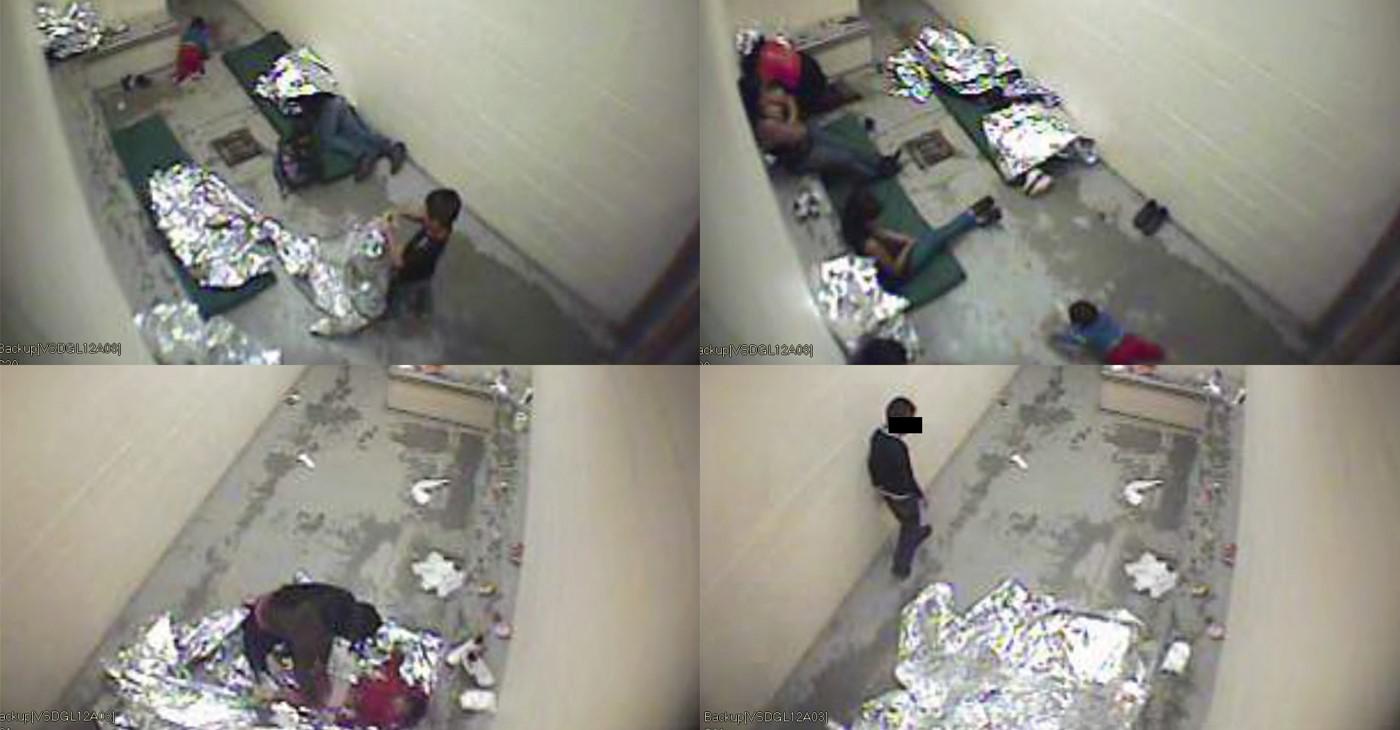
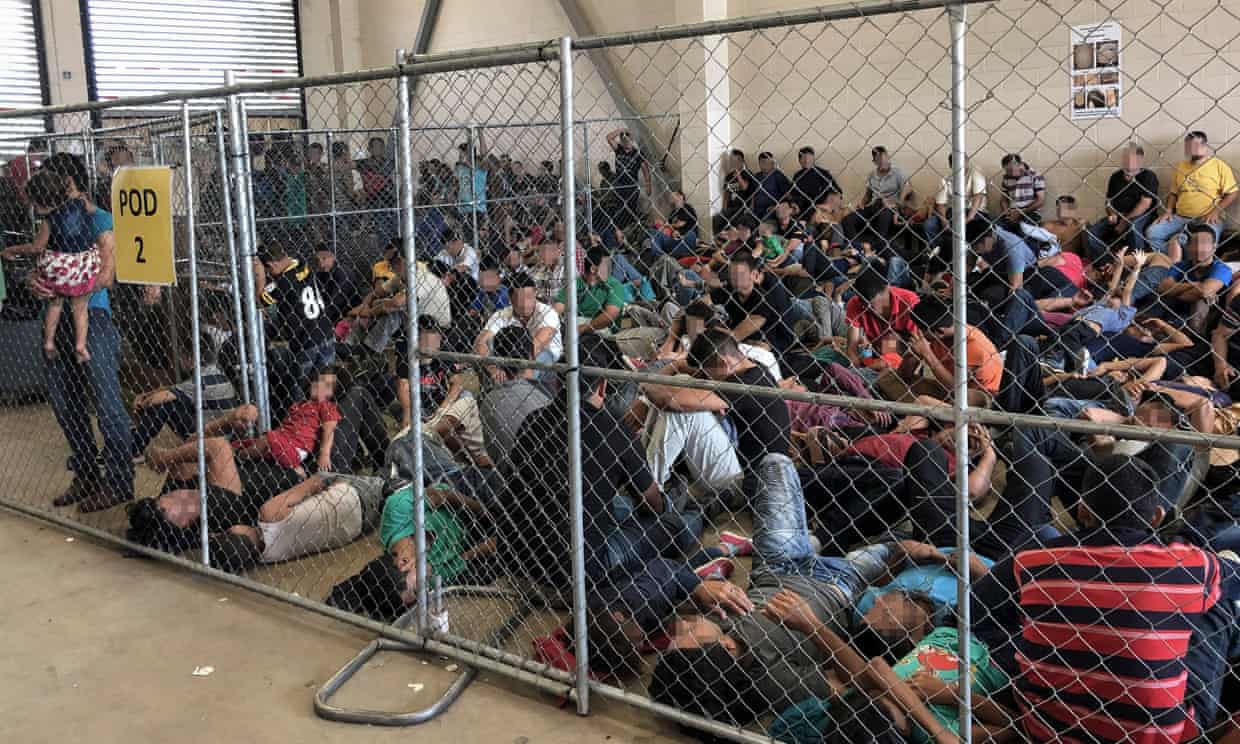
    As stated before, the process of deportation is a long a gruesome one. Many immigrants who are put through the deportation process, often get stripped of their basic human rights. According to Michael Garcia Bochenek, senior counsel on children’s rights at Human Rights Watch, when immigrants are detained, they are put in cells referred to as “freezers’. The immigrants are forced to sleep on the floor with nothing to to keep them warm from the cold temperature of these cells besides an aluminum blanket. These conditions clearly show how human rights are being violated for each and everyone of these people.


    Another example of the stripping of basic human rights from immigrants during deportation is when handling the immigrants' personal hygiene. According to Amanda Holpuch for theguardian.com, many kids at the Texas Deportation facility were put through inhumane conditions at the center. Attorneys met with some children to ask them about the conditions they were in and reported that some of them had bodily fluids on their clothes such as mucus or breastmilk, some were wearing the same clothes which they had been caught with for weeks and they had no access to basic sanitation. The children were also exposed to extreme cold and didn't have enough access to food or water.


    These are just some of the examples of the struggles immigrants have to go through when being detained and prepared for deportation.


Personal Take

    Personally I have a lot of connection with this issue. My parents, who have been in this country for 22 years, are illegal immigrants. Despite being here for so long, they still run the risk of getting sent back to their home land. To think of not being with them due to their legal status is saddening. I've also had family go through the process of deportation. An uncle of mine got deported about 9 years ago and would tell us that the authorities will put you through harsh conditions in order to get you to sign a paper which confirms you want out of the country instead of fighting your case. It's really a shame that this is what the country has come to. The reason why I chose this issue is to raise awareness about the on going issue that is deportation. This issue affects the community around me because all my life I've grown up around immigrants and people who are at risk of deportation. The population in my neighborhood is majority Latino, and many of us face these legal issues. We keep hoping that one day things will get better.


References

Garcia, M. (2018, March 01). In the Freezer | Abusive Conditions for Women and 

            Children in US Immigration Holding Cells. Retrieved October 26, 2018, from 

            https://www.hrw.org/report/2018/02/28/freezer/abusive-conditions-women-and-

            children-us-immigration-holding-cells

Holpuch, Amanda. “Migrant Children Held in Texas Facility Need Access to Doctors, Says Attorney.” The Guardian, Guardian News and Media, 8 July 2019, https://www.theguardian.com/us-news/2019/jul/08/migrant-children-detention-center-texas-attorney-health-crisis. 


ART 3170-02: Mental Health Stigma Surrounding Latinx Community

Stigma Surrounding Mental Health in the Latinx Community

Breaking Mental Health Stigmas in Latino Communities — Columbia Community  Connection News Mid-Columbia Region

"Just get over it."

This is a term heard too often amongst Latinx children, primarily the those seen as boys. From personal experience, this term has long damaged the psyche of many growing children as they no longer feel free to express their feelings or show emotion. This issue can be seen across all ages, but the younger generation has been on the forefront of this issue, trying to change the stigma surrounding mental health issues.

What is mental health stigma as it pertains to the Latinx community?

Before going into specific examples within the Latinx population, it is important to understand what stigma is as it pertains to mental health. As stated in an article in Medical News Today, 
"Mental health stigma refers to the negative attitudes or beliefs that lead to the devaluing, disgracing, and disfavoring by the general public of individuals with mental illnesses."

Despite this being a general definition of mental health stigma, there are three other types of stigma. Social stigma is a certain stigma that refers to the negative attitudes about mental health usually found in one's culture or broader society. The second type, self-stigma, often happens when someone internalizes negative societal attitudes surrounding mental health. Institutional stigma, being the third type, often refers to government or private institutions that unintentionally or intentionally discriminate against people with mental health issues.

Now as it pertains to the Latinx community, mental health is almost seen as a myth since older generations tend to push it under the rug rather than face any sign of mental illnesses. Mental illness can be seen as a sign of "weakness" in most families' eyes and even as an embarrassment to them. However this is just a fraction of the many reasons why mental health in the Latinx community takes a back seat when compared to other issues in the community.

Research


According to an article from the Cardinal Innovations Healthcare, approximately 33% of Latinxs with mental illnesses receive treatment when compared to 43%, which would be the U.S. average. Also referenced in the article, the National Alliance on Mental Illness (NAMI) stated that the most common mental health conditions amongst the Latinx population are generalized anxiety disorder, major depression, post-traumatic stress syndrome (PTSD), and substance use. Despite experiencing symptoms related to these conditions, only 20% talk to a doctor about it and 10% contact a mental health professional. 

Barriers

When it comes mental health, the Latinx community faces many barriers, self inflicted or not, that prevent them from finding help and taking advantage of said help.  

Economic 

According to NAMI, 15.7% of Hispanic/Latinx people in the U.S. live in poverty when compared to non-hispanic whites (7.3%). Economically challenge individuals who are considered to live in poverty run a higher risk of having a mental illness and in comparison, those with a mental illness tend to run the risk of living in poverty.

 Another reason as to how economic status plays into mental health can be seen in a video by Mitu, where they interviewed many Hispanic/Latinx youth talking about mental health. In the video (that will be linked) they spoke about how "parents bust their [expletive] to survive, to take care of you... you never want to make it seem like they failed you as a parent". This can be seen also in personal experiences where parents can't afford the time to think or talk about mental health, leading to them not having time to talk to their children as well. 

 According to NAMI's research with the Kaiser Family Foundation, it found that 19% of Hispanic/Latinx people did not have any form of health insurance and could not afford insurance.  

Stigma

Among the many things that is seen as taboo in Hispanic/Latinx culture, mental health is arguably one that is continued to be frowned upon in the community. According to Mental Health America, discussing mental health problems can be seen as an embarrassment or might bring "shame" to the family. 

In addition, the Mitu video showed how the lack of attention to mental health has trickled down to the younger generation. In the video, along with the article by Mental Health America, suggest that Latinx adolescents are more likely to use antidepressants when compared to white and black adolescents. But going into the stigma, the video shows exactly how the younger generation was raised with the idea that if there were to be any sort of signs of a mental illness, they would simply be told to get over it and move on.  

Personal Take

While conducting research on other's opinions on the issue of mental health in the Latinx community, it is imperative that I speak on how this issue pertains to me on a personal level. Growing up I had been told not to cry, not to be sad, and if I was seen crying or seemed 'down' my family (dad, uncles, etc.) would tell me to "man up" rather than address the reason I was sad or crying. Sharing my emotions and feelings was and still is hard to do with my family because all my life I had been raised with the idea that as the 'man of the family' it was my job to portray strength, composure, and security. This stuck with me and it wasn't until I began attending Cal State LA that I began to use the resources that the university offered in terms of mental health.  

Start the Dialogue 

Overall, it is important to start the conversation, one way or another. But it is also important to listen to each other when speaking about said things. As it is in most cases, the older generation weren't raised with the idea that expressing emotions and feelings is 'okay', so it is more likely that they are also dealing with past experiences as well. Be kind, be patient, and care for one another. 

Resources and Links


References

Cardinal Innovations Healthcare — July 16. (2020, May 1). Rethinking mental health in the Latino Community. Cardinal Innovations Healthcare. Retrieved November 11, 2021, from https://www.cardinalinnovations.org/Resources/Blog/Rethinking-Mental-Health-in-the-Latino-Community.

Hispanic/Latinx. NAMI. (n.d.). Retrieved November 11, 2021, from https://www.nami.org/Your-Journey/Identity-and-Cultural-Dimensions/Hispanic-Latinx. 

Latinx/Hispanic Communities and Mental Health. Mental Health America. (n.d.). Retrieved November 11, 2021, from https://www.mhanational.org/issues/latinxhispanic-communities-and-mental-health. 

MediLexicon International. (n.d.). Mental health stigma in Latin America: Culture, resources, and more. Medical News Today. Retrieved November 11, 2021, from https://www.medicalnewstoday.com/articles/mental-health-stigma-in-latin-america#in-latin-america. 

Mitumixadmin. (n.d.). Latinos talk: Mental health - mitĆŗ. we are MitĆŗ. 100% American & Latino. Retrieved November 11, 2021, from https://wearemitu.com/video/latinos-talk-mental-health-mitu/. 

Mental Health Broken System

ART 3170-02 Civic Engagement Project

Jordan Carrera

Wednesday, November 10, 2021


Civic Engagement Definitions

The First definition comes from American Psychological Association who state that its an individual or collective action that discusses an issue that is going on within the community. It can range from talking about a certain issue to working with the community to fix the issue. Civic Engagement can range from activities that can help solve the problem or spread awareness.

The Second definition comes from youth.gov that states civic engagement involves someone working to make a difference within their community.  It promotes the quality of life in community through both political and nonpolitical possess. It can also be both paid or not paid forms of volunteering and much more. 

Overall I feel that Civic Engagement has to deal with problems that the community is facing. These issues can range from a list of things such as homelessness, mental health, racism, and many more. It's also use to help spread awareness about the issue but also used to have an impact. Civic Engagement is important as its there to help fix the many problems that communities face and make it a more better place. 

Mental Health Within Latinx Teen Community

                     Social Issue- Mental Health Within Latinx Teen Community

Mental Health has been a major issue that we have seen within the Latinx teen community as many teenagers suffer from depression, anxiety, and much more. This issue is very important to me because I myself have gone through my own issues of depression. Through it I feel that many companies and programs have tried to promote awareness yet it still isn't enough. In many cases latinx households do not believe in mental health and tend to see it as just excuses of being sad. A lot of parents can't meet eye to eye with their kids as they tend to see their behavior as being "rude" or "mean". This issue stems as many older generations don't listen to us and look at us as we don't know what we are talking about. 

The Reason I decided to chose this topic was because I have seen many close to me who have gone through these types of issues and are still affected to this day. Unfortunately many do not seek help as they are already facing a lot of problems with their families not being able to understand what they are going through. This issue is something that we see growing especially with young teens.

According to STATNEWS who interviewed teens about mental health stated that many teens weren't prepared to navigate where and who to go about their health. Many found that they didn't know anything about prescriptions ,finding a therapist,or scheduling appointments. Many teenagers are not aware of the resources around them as many facilities fail to notify them about these resources. In the article many of the people that were interviewed stated that there is not much data available on mental health as many don't see this as a huge issue. Around the age of 18 is when teens tend to dropout or lose access to mental health as they are flooded with a lot of issues. The article also argues that if the United States had universal healthcare like other developed countries that we would see a drop in these rates. 

In an article by Salud America they found that latinx youth was the most disrupted in 2020. The Latinx youth were 60% more likely to report poor or reduced feelings of mental health compared to white students. 22% of the latinx youth have more depressive symptoms than other groups. Which the article goes into detail that the reason to this is because many are afraid or just don't use the resources that are provided to them. However, many of these youth not only face depressive symptoms but the study showed that many also suffered from discrimination,poverty,and school and family issues.


"I do have plenty of experiences with mental health problems. I personally have depression, anxiety and ptsd. Some days are harder than others , while other days are the easiest on the planet. Some days I’m the happiest person alive and other days I wish I wasn’t existing on this planet, but I always think of a brighter future and all the obstacles I’ve overcome and think to myself “ if I can overcome those , I can overcome anything” 

"At the very beginning of my mental health journey , I do say I wish I was helped a lot more , but that was only because my family didn’t quite understand what depression and anxiety were and what that meant for a growing teen. My family’s mentality was “if you have food in your belly, have a roof over your head and have money, you shouldn’t have any depression” and those were my expectations growing up in a broken Hispanic home. but as time went on and after many therapy appointments and conversations with my therapist and family together and research , they got to learning and understanding the ins and outs and importance of mental health. Today, they are the most supportive, understanding, loving and caring family I could ask for and I’m eternally grateful." -Jasmine


"Growing up I wasn't able to express much emotion as I was just seen as weak. This kept me from wanting to express my feelings and emotions to other people. If there should be a difference with mental health it should be that many resources should be free depending on one's circumstance as many who face these issues are young or can't afford to seek help."

Fast Fashion-Shndhi Khan

By Shndhi Khan

The Rise of Fast Fashion and Why it's a Problem


What is fast fashion? 

The United States is an example where consumerism is valued above all else. Fast fashion relies on labor practices that maximize the companies profit. This means cheaper quality clothes are being pushed out faster so that the next new thing can become the trend. This becomes a massive problem because of the underpaid labor and cheap textiles that are damaging to the environment. To make the most profit, which is true of most brands today, they use the cheapest fabrics and the cheapest possible labor. This is exacerbated by America's culture of "don't wear the same fit twice". Even the fabrics used to make these garments are unsustainable, usually made out of plastic.

Brands like Shein, Fashion Nova, H&M are a part of our everyday lives. They left an impression on American culture, where the next best thing is the only thing on our minds. Consumerism is a large part of our economy, and companies have such a firm grip on our people like they've never before.

https://www.forever21.com/us/2000445727.html?dwvar_2000445727_color=01

Do you ever just think about the waste you create when you buy from fast fashion brands? Everything is so cheap and affordable but what is the actual cost?

First-world countries often try to deal with their waste by passing it off to another country. But this means that we never see the consequence of our consumerism. No one ever cares about the labor that goes into textile production either, or what happens to the clothes that never sell.

Textiles boomed in profits in 2013 when companies such as Forever 21 were thriving. Retail stores such as Gap and Nordstrom were the norm, where people just do not buy as much because clothes cost more. The rise in fast fashion shows in our pop culture as well, as the 2010s were marked by tacky clothes with unnecessary details that ruin the clothing. Bright colors, graphic prints, frayed or excessive ruffles, all executed in poor quality. These garments are often made with synthetic fabrics that do not degrade, and because they are created so quickly, the stitching comes apart easily. These clothes are made to wear down, to make you buy more. 

Online Shopping

We've all done it, you start your assignment the day it is due. You have all your tabs open, and one of them always manages to be online shopping. Retail has changed over the decade, people are more likely to do their shopping online. But every time you open up an online shop for clothes you see "50-70% off your next purchase, the sale ends in 10 minutes!". They get us hooked into their gimmicks, and for some people, it's an addiction. This is understandable because fashion is something that makes people feel good, me included.

https://www.fashionnova.com/

Not to mention the damage fast fashion companies do to fashion designers, selling off the designs of small creators usually black or brown. Fast fashion companies even steal their advertisements off of these small creators.

 https://fashionista.com/2019/01/fashion-nova-knockoff-crochet-knots-and-vibes-dress
Luci Wilden, a black designer, created the design above. Her design was lifted by Fashion Nova. Nothing ever stops these brands from stealing these designs off of small creators. In this instance, Luci Wilden reached out to Fashion Nova to get her design off of their website. In response, Fashion Nova's team apologized and excused this by saying that a merchant bought one of her dresses and Fashion Nova decided to copy the design (Katz, Evan). There is no protection for these undervalued creators. Artwork is stolen in the name of profit, and the law is in favor of these large companies. How else do these companies bring out new designs every season?

Where is it going?

https://www.aljazeera.com/gallery/2021/11/8/chiles-desert-dumping-ground-for-fast-fashion-leftovers


These fast fashion companies rely on consumers to keep buying their products. They create these products in countries like Bangladesh or China where they can mass-produce with little to no regulation. Aside from the blaring human rights issues, this mass production is leading to an overproduction of synthetic fibers. These are being piled up in landfills of developing countries such as chile(Aljazeera). So whatever you saw in the stores last season is being thrown away to make room for a new style. The above image shows a woman picking out clothes from a landfill in Chile. Once again there is no mechanism for accountability for these countries. The supply chain is not equipped to handle any social issues it creates.


As shown by the graph above, as the human population grows, so does the production of synthetic fibers. The graph shows a large increase from 2000 to 2018. We are not using all of what we are making.
Textiles take up 20 percent of industrial water waste. A large proportion of textiles use fibers like polyester, made from petroleum. Fibers that do not easily biodegrade and will take 20-200 years to break down.

So what can we do?


There are alternatives to fast fashion. We are conditioned to like the next thing, like how people are more inclined to buy the new iPhone when it comes out. But when you buy a new dress to go to prom you will never wear it again. There are alternatives where companies rent clothes, some of these companies may have prices that are steep but it's better than having that dress stuck in your closet for years until you decide to throw it away. Also buying garments that will last you longer, for years rather than months will also help with this problem. Another option is to buy second-hand clothes from thrift stores, or new up-and-coming apps such as Depop.

Why should we care?

Why is it that, we as Americans feel so entitled to take advantage of other countries and bleed the Earth dry because of our greed? I may be American but I am also Bangali, so it's always at the back of my head. I know people that work at these factories because that is the only option that they have. It's something we take advantage of.  It affects our communities too because we end up buying from large companies instead of the black and brown people who created the designs in the first place. We never see the landfills piled high with clothes or the people who make your shirt. The damage created by the overproduction of textiles is something that we as humans are not capable of understanding. The problem exceeds our life span and unless we are responsible enough to recognize this issue we will only make the issue worse. Fast fashion takes advantage of people to satisfy us from every step of production and that is something that we are too comfortable with.


Citation

Al Jazeera. (2021, November 8). Photos: Chile's desert dumping ground for fast fashion leftovers. Gallery News | Al Jazeera. Retrieved November 11, 2021, from https://www.aljazeera.com/gallery/2021/11/8/chiles-desert-dumping-ground-for-fast-fashion-leftovers.

Peters, Greg, Mengyu Li, and Manfred Lenzen. “The Need to Decelerate Fast Fashion in a Hot                 Climate - A Global Sustainability Perspective on the Garment Industry.” Journal of                      cleaner production     295 (2021): 126390–. Web.

Cell Phone Addiction (Michael Carino)

Cell Phone Addiction - Michael Carino

ART 3170 Section 2

Air Pollutants in Los Angeles: A Public Health Crisis (Rafael Velasquez)

 Air Pollutants in Los Angeles: A Public Health Crisis


Particulate Matter (AIR POLLUTANTS): Why it matters?  

  •         According to EPA, gas exchange that forms into liquid droplets such as nitrogen, oxygen, carbon monoxide does have an impact on an individuals health. According to EPA, in Los Angeles, "50% of motor vehicles expose carbon monoxide above the atmosphere" (EPA, 2021). For instance, exposing ourselves under these harmful conditions can cause physiological effects in our hearts and lungs. A sequences of symptoms that follow includes respiratory, coughing, as well as chronic diseases like, bronchitis, emphysema, and other physiological factors.
            
  • In Table 1 (below), according to AQI (Air Quality Index), the city of Los Angeles currently stands at near or about 101 to 150 AQI values, resulting in unhealthy air conditions for sensitive individuals. Nevertheless, Los Angeles is stated to be the worse major polluted cities due to the increasing amount of ozone being formed on a ground state level. In addition, gas pollutants, as stated by AQI in Los Angeles, are formed from the ozone layer, which attracts sunlight, forming nitrogen oxides. Thus, these gas exchanges are due to increasing amounts of the vehicle's exhaustion and heavy traffic in the city.          

                                               Table 1. 

  • In Figure 1 (below), are the differences of gases that are formed in power plants or industrial companies, including greenhouse effects and power plant industries, spreading different and harmful gases in the atmosphere. According to EPA (2021), the major combinations of gases that are exposed in the atmosphere include, some but not all: lead, carbon monoxide, nitrogen oxide, and sulfur oxide.
  1. Lead= a metal that is formed naturally in the form of solids and rocks. Due to human action, lead emissions derive from recreational vehicles, including tractors, construction machineries, and lawn and garden materials. 
  2. Carbon monoxide= is a gas that is formed when fossil fuels are consumed to the atmosphere. Moreover, these gases are found in a variety of vehicles such as cars and trucks. 
  3. Nitrogen oxides= are a combination of gases, which are also found in cars and trucks. When an individual breathes into these gases, it can bring detrimental effects in the lining of lungs, causing coughing and wheezing. 
  4. Sulfur oxides= are another group of gases that are mainly found in power plants, industrial buildings, who all burn sulfur-containing fossil fuels.                             

                                                   Figure 1.


  • In Figure 2 (below), according to Air Quality in Los Angeles, the PM 2.5 is an airborne particulate matter, that are in micron sizes (very tiny particles) that enter into our nostrils, spreading throughout our respiratory system which can cause harmful effects, such as heart disease, respiratory illness, and even premature death. Unfortunately, when the weather gets warmer, more gas pollutants combined with the winds are all formed on a ground state level, causing an increase of smog. (EPA, 2021). Altogether, these air pollutants that are formed need to be moderated; however, a city like Los Angeles, does not meet the air quality standards, and many cases are being involved under constant air pollution being formed in the atmosphere. Consequently, these air pollutants have a substantial affect to the public environment, these individuals include children, young adults and older individuals who have chronic respiratory diseases such as, asthma, coughing. According to Mazza S. (2018), 1 in every 10 children have been diagnosed with asthma and a overall risk of cancer, has increased to 900 million.           


                                                            Figure 2.

CONCLUSION: (Why do you feel personally affected?) 

  • Air pollution is a global climate crisis and continues to have an affect in every human way possible, and these harmful health conditions continue to rise without moderation, impacting many people, involving children and older individuals. The varieties of gas pollutants that are formed in the atmosphere forces us in the community, to be exposed and breathe into the  many gases, resulting in many symptoms that can never be replaced. In a similar manner, it personally affects me because I do feel the same symptoms, where coughing and headaches are amongst the abundance of symptoms that I experienced, whenever I go outside for a walk or play leisure sports with my friends. Also, I have two younger brothers that I look out for, and because many children are exposed to these air polluted conditions, they too, can be increasingly harmed by it. Therefore, a reasonable way to reduce these pollutants is if we all limit the use of our vehicles and transition to battery-used vehicles, which limits carbon-emissions from exposing to the atmosphere. Unfortunately, this is isn't always the case, but if we can count on each other and work together as a community, we can save a person who struggles with respiratory chronic diseases.          


REFERENCES


http://www.aqmd.gov/home/air-quality/clean-air-plans/air-quality-mgt-pl
https://smartairfilters.com/en/blog/los-angeles-air-quality-pollution/
https://www.iqair.com/us/usa/california/los-angeles


Natalie Wu- Homelessness in LA

 Homelessness in Los Angeles

You heard about how Los Angeles is one the main places to visit and it is filled with tons of tourists attractions, but no one talks about what actually happens. We see the faces of desperation on many faces on the streets including men, women, and children displayed for everyone to see. There are over 58,000 people in Los Angeles alone experiencing homelessness which is an 18% increase from 2018. 


    I am bringing awareness of homelessness in my community, because I believe we can as a community help lower the number  of individuals on the streets. We should have a safe and well preserved environment not only for those who can afford it, but for everyone. 

 Causes of Homelessness

  • Lack of affordable housing
  • poverty
  • employment discrimination
  • substance abuse/ mental health challenges
  • domestic violence
  • LGBTQ kids rejected by family
  • kids who age out of foster care
  • COVID


Research 

    Currently the county's current homeless population is around 66,000. Which is a 13% increase from 2019. Even with the expensive programs promising housing has little to no effect on the homeless number. The highest concentration of homelessness in Los Angeles is living on skid row. An estimate around 2,000 people are living on skid row. In skid row there's around 40 lost souls living on each city block.   This occurred due to the affordable housing crisis, rising unemployment rates, lack of services for the mentally ill, and the deterioration of the social safety net. It was found that African American and Latinos are the "overwhelming" majority of unhoused in this region with around 59% identified as Black and 23% as Latino. African Americans have four more times more likely to experience homelessness due to misrepresentation in Los Angeles community.
Who is Unhoused?
6% Veterans
38% chronically homeless
1% identify as transgender
19% have physical disability
27% substance disorder
7% fleeing intimate partner violence

 Why is it important to combat Homelessness?

                                                                              Photo by: Gary Leonard

Homelessness is an humanitarian emergency. The dominant narrative about who are living among the streets are labeled as drug addicts or severely mental ill, which is not the case. this damaging narrative dehumanizes people experiencing homelessness. This is factually incorrect 70% in the city of the unhoused have neither drug addictions or mental illness. In fact, the largest number of homelessness is from people fleeing from domestic violence or people with chronic medical conditions. Huge numbers of people p[primarily female are fleeing from violence. Especially with more increase in domestic violence leading to more increase in homelessness. 

How does it effect us?
Having more people on the streets can pose a threat to public health. Since they are more vulnerable to communicable diseases. When one lives on the streets they're exposed to multiple elements, leading to unsanitary living conditions and outbreaks. It also breaks down community. People start to feel unsafe and no trust with having others on the streets. it impacts the present as well as the future. Being able to end homelessness is not only help from the government, but a collective effort of everyone from all members of society. 
Making a Difference!

                                                                              Photo by: Tessa Tenborg

Homelessness doesn't have to be this way. One was is to combine housing with supportive services such as job training, case management, and healthcare in order to make a real impact. We as a community can join with donors, funders, and public/ private-sector institutions to make a permanent impact. By focusing on the root of homelessness we can help build a better future for everyone to have equal opportunity to contribute to the well being of our community. 


References:
    rkdgroupdev. (2018, September 6). Homelessness in Los Angeles: “Top Concern.” Los Angeles Mission. https://losangelesmission.org/homelessness-in-los-angeles-top-concern/
    Home L.A. Fund: Ending homelessness in Los Angeles. (2020, December 4). California Community Foundation. https://www.calfund.org/homela/