Tuesday, March 8, 2022

Nadine Alvarado ART 3170 - 01: Anorexia Nervosa


 Anorexia Nervosa

What is Anorexia Nervosa? 

        Anorexia nervosa - frequently essentially called anorexia - is a dietary problem portrayed by a strangely low body weight, an extreme anxiety toward putting on weight and a contorted impression of weight. Individuals with anorexia put a high worth on controlling their weight and shape, utilizing outrageous endeavors that will quite often altogether slow down their lives. 


                       Data/Statistics in Anorexia Nervosa 

  • Is common more in women than men 
  • 9% of the US population will have an eating disorder in their lifetime 
  • 35%-57% of adolescent girls engage in crash dieting, fasting, self-induced vomiting, diet pills or laxatives
  • About 10,200 deaths each year are the direct result of an eating disorder commonly in Anorexia Nervosa 
  • About 26% of individuals with eating disorders attempt suicide     

               
                                      Eating Disorders Statistics | The Recovery Village               
                

                                                                Risk Factors for Youth 
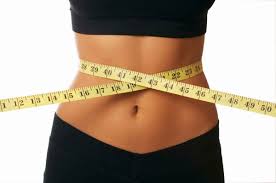
6 Signs Your Diet is Too Extreme

  •     Genetics: Those with a first - degree relative: a parent, sibling or child who had the disorder have a much higher risk of having anorexia nervosa
  •  Excessive Dieting: Weight loss is often met with positive reinforcement. The need for affirmation can drive you to diet more severely, which can lead to an eating disorder. 
  • Transitions: A new school, home, or job, a relationship breakup or a death of a loved one can bring emotional stress and increase the risk of developing an eating disorder such as anorexia nervosa.
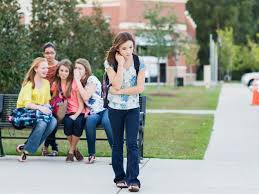
How to Deal With Teasing and Subtle Forms of Bullying


Female Body Image and the Mass Media: Perspectives on How Women Internalize  the Ideal Beauty Standard – Defining Beauty


  • Perfectionism: Setting an unrealistically high expectations for yourself. 
  • Teasing and Bullying a person’s weight.

  • Appearance Ideal Internalization: Buying into the message of the socially - defined “ideal/body” may increase the risk of an eating disorder by increasing the likelihood of dieting and food restriction.

                                               Short and Long Term Consequences

    With an individual having anorexia nervosa it could be hard to see signs and side effects since what is viewed as a low body weight is different for every individual, and a few people may not show up very meager. Likewise, individuals with anorexia frequently mask their slenderness, dietary patterns or actual issues.

Short Term:                                                                    Long Term:
  • Weight Loss - Bone Weakening (Osteoporosis)
  • Dehydration - Anemia (Lack of blood)
  • Dry skin & hair - Seizures
  • Nausea - Thyroid Problems
  • Constipation - Lack of Vitamins and Minerals
  • Fatigue Dizziness - Hair Loss
  • Fainting - Tooth Decay
  • Insomnia - Kidney Problems
                                                                             
    What can be done to treat someone with Anorexia Nervosa?

    Treatment options will vary depending on the individual’s needs. A person may receive treatment through residential care (outpatient care) or hospitalization depending on their current medical and mental health state. Treatment for anorexia most often involves a combination of the following strategies:

  • Psychotherapy 
  • Medication 
  • Nutrition Counseling 
  • Group and/or family therapy 
  • Hospitalization 
The Cost of Medication Non-Adherence | NACDS How Nutrition Counselling can Help you Achieve your Weight Loss Goals ~  Epic Health 


Resources for Anorexia Nervosa 
    
    https://www.bulimia.com/topics/anorexia-hotline/ 
    Phone number: 1 (630) 577-1130 
    Operating hours are Monday-Friday, 9am-5pm CST

    
    https://anad.org/get-help/about-our-support-groups/
    Join Support Groups 
    Scheduling Varies 


    Why is this issue important to me?

    This issue is important to me because throughout my whole 20 years of life I have been made fun of for my body type. Individuals have always told me: "You need to eat more" "You're so skinny" "Do you make yourself barf after you eat?" "Do you skip meals throughout the day?" Hearing those comments and questions ALL the time has made me insecure about being skinny and petite. However, I do not have anorexia nervosa, but I have been fallen into that category even though I don't have any symptoms of it. In my opinion my skinny body comes from genetics as everyone in my family has the same body type as me. It makes it difficult for me to accept and appreciate my body without having someone making a comment. It makes it difficult for me to shop for clothes as everything is too big and baggy which is frustrating for me. As the days go by I have learned to appreciate my body because that is just what I given and I should be grateful for it. I want to be able to one day help skinny girls like appreciate their bodies as they are beautiful.

References

    
National Association of Anorexia Nervosa and Associated Disorders. (2021, March 3). Eating Disorder Statistics | General & Diversity Stats | ANAD.

Anorexia nervosa - Symptoms and causes. (2018, February 20). Mayo Clinic.

Anorexia. (2017). PsychGuides.Com
https://www.psychguides.com/eating-disorder/anorexia/                                                                     

Stress

 Stress By Daniel Gutierrez Roman

109 Weight Of The World On My Shoulders Stock Photos, Pictures &  Royalty-Free Images - iStock

What is stress? What causes stress? Where can stress be developed? Who does stress affect? When can someone feel stress?

-There are many definition in which we could all use to define stress. In some point in our lives we have all felt and have experienced a lot of pressure, tension, and mental or emotional strain. It sometimes could feels like the weight of the world is on our shoulders.

-We may feel a lot of pressure from our daily lives, our jobs may be starting to feel too demanding as we try and manage our schooling be stacked with homework as well as having to take care of a family. Stress can be caused by our jobs, our education or sometimes at home with our families, stress can be caused by just about anything. It's external cause that makes us stress and sometimes more commonly we overthink situations and stress ourselves out. A most recent event that has led to stress on a global scale was a result of the Covid-19 pandemic. The Corona Virus led to nationwide quarantines, which affected multiple people such as small business owners who struggled to keep their businesses operating, anyone who was employed and their place of work closed down and being concerned with how bills were going to get paid, students who had a hard time adjusting to online learning and their grades began to slip, people being separated from their loved ones as well as those who lossed loved ones, and older adults who are concerned for their well being.

-Stress can affect anyone no matter the age, young or old. We all feel different types of stress. A college student may be feeling overwhelmed by having a lot of homework as well as a job to help support themselves, a child may have just broke one of their favorite toys and has no way of telling their parents, or someone may be at the end of their marriage and headed for a possible divorce. Stress is different for everyone in the stages of their lives.

How do I think stress can have an affect on society?

-I think stress can have an affect on society through the effects it could have on individuals. Granted not all stress is bad, some could be good such as for motivation to get work, projects or activities done as well as assist in the decision making process in the dangerous situations such as your fight or flight instincts. However to much stress or constant stress could lead to health issue both mental and physical. According to the National Institute of Mental Health,

"Over time, continued strain on your body from stress may contribute to serious health problems, such as heart disease, high blood pressure, diabetes, and other illnesses, including mental disorders such as depression or anxiety"

-Some people have a hard time managing their stress and often resort to different methods to try and help relieve their stress, unfortunately sometimes people result to drugs or alcohol. Having thoughts of suicide would be a result of being overwhelmed by stress 

-From a personal standpoint experiencing stress has made feel completely burnt out sometimes, as well as sometimes feeling dissociated with the world. Handling stress is different for everyone, speaking for myself rather than to continue trying to live with the things making me stressed and trying on figuring how I could make everything work, I let go, I quit my job and I've felt a lot better since then. Knowing myself and how much I stress and already having knowledge of the effects that stress can have on someone, before my stress got worse I assessed my life and made my decisions for my own well being.

Why do I think it is important to talk about stress?

-I think it is important to talk about stress because it would help us identifty the things in our life that are making us stressed in the first place. Below are graphs from the American Psychological Association (APA) which shows what different generations in America are stressed about (Generation Z, Millennials, Generation X, Boomers, and Older Adults). 

-American Psychological Association "Stress In America"


References

From the National Institute of Mental Health - Nimh.nih.gov. https://www.nimh.nih.gov/sites/default/files/documents/health/publications/so-stressed-out-fact-sheet/20-mh-8125-imsostressedout_1.pdf.

5 Things You Should Know about Stress - Nimh.nih.gov. https://www.nimh.nih.gov/sites/default/files/documents/health/publications/stress/19-mh-8109-5-things-stress.pdf. 

“Stress in America™: Interactive Graphics.” American Psychological Association, American Psychological Association, https://www.apa.org/news/press/releases/stress/interactive-graphics. 

Tuesday, December 14, 2021

Jorge Gallegos NRA

                        GUN VIOLENCE -  In AMERICA                      


Gun control is seen as a personal attack against the lifestyle and values of Americans who use guns. The NRA spins any type of gun control into a domino effect that will abolish the second amendment. This fear of losing the right to bear arms fuels the selling of more weapons. The second amendment is the bedrock against gun control. 


The NRA is the most successful lobbyist group in history. Any public figure who has openly opposed violence and the NRA have been assassinated;

 Martin Luther King Jr

John F. Kennedy

Robert F. Kennedy, amongst others..


The leader of the NRA is a man who usurped the power in a mini coup within the organization and is a convicted murderer. He stole the power away from members who wanted to return to the ideals of marksmanship and hunting. HARLON CARTER has changed one letter in his name to successfully hide the fact that he is a convicted murderer of a Mexican man. Before taking over the NRA he was the chief of border patrol.


1967 NRA became politicized when Ronald Reagan joined their ranks, pushing for self reliance as a hunter himself. The Mulford Act, which was drawn up by the NRA actually took away black peoples’ access to firearms. It was used to deweaponize the black panthers. This means that the NRA does not care about gun rights for everyone, which rips apart their entire argument. They also don’t represent the interests of 84% of their members, which all approve background checks. This organization is about power and maintaining the status quo. The NRA has a large number of politicians in their back pocket so it is up to the voters to filter out these corrupt individuals. 


What is the solution? Gun members actually vote!! This is why VOTING is a viable option against violence.


Emma Gonzales 


                                                             MARCH FOR OUR LIVES!!


March for our lives was one of the largest student led protests since the Vietnam war. Between 1.2 and 2 million people participated in the call for gun reform on March 24, 2018. Protestors called for stricter background checks, raising the age of gun ownership, an assault and high capacity magazine ban, and the closing of gun show loopholes.


This matters to me because I have a family member who was a victim of gun violence. There used to be a time where men settled their differences with their fists and shared a beer after. Now people want to kill each other because they were disrespected on the freeway. Human life has become expendable for outdated ideals. I actually think revolvers are cool because they require skill to hit the target. No one needs an army rifle to go hunting because automatic rifles require no skill. M-16’s and such are instruments of war whose only purpose is to destroy, unlike a hunting rifle which takes precision to use.


Gun Violence Today It has gotten worse since the nineties and will continue to do so until the NRA is dismantled or regulated.  I also am going to be an Art teacher in high school so it worries me that some day a kid will shoot up my school. If we’re supposed to be the best country in the world, why can’t we keep our children safe?


  • More than 17,000 people in the U.S. have been killed this year as a result of guns and more than 34,000 have been injured.
  • Fatal domestic violence incidents were up 25 percent in 2020 over 2019, with women accounting for more than two-thirds of victims.
                                                       Citations


"Student Gun-Control Activist David Hogg Slams Republicans As 'Cowards'". CNS News. February 28, 2018. Retrieved Nov 9, 2021.

“Gun violence epidemic is exploding across America”.  The Hill. Nov 9, 2021. 


  • Documentary; The Price of Freedom 2021 HBOMAX

Thursday, November 11, 2021

Social Media and Young Women

Social Media and Young Women

by Karolina Mangasarian

What is civic engagement?

1. According to the American Psychological Association (APA), "civic engagement is the broader motif, encompassing service-learning but not limited to it." https://www.apa.org/education-career/undergrad/civic-engagement

2. According to The New York Times, civic engagement means "working to make a difference in the civic life of our communities and developing the combination of knowledge, skills, values, and motivation to make that difference." https://archive.nytimes.com/www.nytimes.com/ref/college/collegespecial2/coll_aascu_defi.html

My own definition: 

Personally, I think civic engagement is the collective effort of a person/community to better and develop that specific community using the independent skills of each citizen for the cumulative good. 


Studies

WHO IS AT RISK?

Social Media has a long history of causing destructive behavior in the users it accumulates. The various issues created by online platforms range in severity and impact based on the user and the targetted posts they receive. The ones most at risk are teenage girls and younger women (Hartas). This demographic of younger women is the most at risk due to the nature of posts on social media. The targeted posts display bodies that have been edited or faces that had numerous filters put over them. All this causes a younger mind, especially of a yp0ung female who is already struggling with self-esteem, to be self-destructive. Based on a Millenium Cohort Study (Wave 6) on this issue, "across measures of mental health and wellbeing, the findings showed that girls fared much worse than boys, particularly in experiencing negative feelings and low self-concept and life satisfaction and in self-harming. Teenage girls appeared to have become the new ‘high risk' group" (Hartas). 


HOW DOES IT AFFECT TEENS?

This new media allows for a new set of peer influence to develop and define how these young women perceive beauty (Chua). In a study done by the National University of Singapore, the young girls' self-validation stemmed from the likes, comments, and follows they would receive after. As stated in the study, "results of thematic analysis reveal a gap between teenage girls' self-beliefs and perceived peer standards of beauty. Feelings of low self-esteem and insecurity underpinned their efforts in edited self-presentation and quest for peer recognition' (Chua). This means that social media has a major impact on already vulnerable and impressionable women with the posts that they trend and target toward them. A rocky and weakened mental health leads these young girls on a path to achieve the unachievable, edited pictures they strive to replicate; causing terrible diets, starvation, self-harm, and depressive states. A survey done by the Royal Society of Public Health discovered that Instagram is by far the most net negative platform for teenagers to be on, further proving the issues and the impact social media has on the lives of these individuals through filtered and edited photos. 


Infographic based on a study done by the Royal Society of Public Health 


Personal Issues

Personally, in my younger years and even now as a young adult, I can't help but feel the drastic impact social media had on my life. During my high school career, I was the most vulnerable. Being one of the girls that never dated, got asked out, and was told I was the "ugly" friend, I had very fragile self-esteem. This caused a lot of issues once I had an Instagram. Everything suddenly heightened, I realized just how unattractive I really am, which was a reaction I felt after seeing tall skinny women with five-inch waistlines. I didn't look like that and all it made me do was try to be what I wasn't. That is when my eating disorder developed. I spent months undereating and overworking my body at the gym. Working out for three hours and eating under a thousand calories a day was a catastrophic reality of the aftermath these pictures on social media had on me. Every single time I lost five pounds and posted a selfie the comments would increase in the validation I received. People praised me, more of my peers started liking my posts. My story echoes similarities of the studies done on teenagers and the impact social media had on them. To me, at the time every like and positive comment meant to keep torturing and under fueling my body. I eventually ended up binge eating months later which is still a habit I exhibit today, and the way people responded to my weight gain on social media with less attention made me even more miserable than before. The biggest issue for me is the fact that I know I'm not the only one. Female family members and peers have talked to me about their own set of self-esteem issues and have endlessly compared themselves to either other people or a picture of themselves with a filter on.


Sources:

Armstrong, Martin, and Felix Richter. “Infographic: Mental Health: The Impact of Social Media on Young People.” Statista Infographics, 6 Sept. 2019, https://www.statista.com/chart/19262/impact-of-social-media-on-mental-health/.

Chua, Trudy Hui Hui, and Leanne Chang. “Follow Me and like My Beautiful Selfies: Singapore Teenage Girls' Engagement in Self-Presentation and Peer Comparison on Social Media.” ScienceDirect, Pergamon, 24 Sept. 2015, https://www.sciencedirect.com/science/article/abs/pii/S0747563215301424.

Hartas, Dimitra. “The Social Context of Adolescent Mental Health and Wellbeing: Parents, Friends and Social Media.” Taylor & Francis, 18 Dec. 2019, https://www.tandfonline.com/doi/full/10.1080/02671522.2019.1697734?scroll=top&needAccess=true.

Wednesday, November 10, 2021

Air Pollution In Inglewood


Air Pollution In Inglewood

 
    Over the last few decades, the environmental quality in California has improved. Yet, there are still communities that are severely affected by pollution (August et al., 2021). Some of these communities are minority and low-income populations which makes them more susceptible to the impacts of pollution. One of these communities is the city of Inglewood. In 2018, the population of Inglewood was comprised of 51.4% Hispanic and Latino residents and 40.9% Black residents. Also in 2018, the median household income in Inglewood was considerably less than the median household income of Los Angeles County by $14,626 (“Environmental Justice Element,” 2020). 


              Inglewood Race/Ethnicity, 2018


              Source: SAG. Profile of the City of Inglewood. 2019


    With the use of CalEnviroScreen, a computer mapping tool that identifies communities that are greatly affected by pollution, Inglewood was placed in the top 25% of the census tracts of California to have the highest exposure to pollutants and other harmful environmental conditions due to pollution. To determine whether a community is affected by pollution, CalEnviroScreen has identified several indicators that fall into two categories: pollution characteristics and pollution burden. Pollution characteristics are qualities of a community that make them more vulnerable to environmental pollutants. Pollution burden are factors that evaluate the different types of pollutions residents may be exposed to. By assigning separate scores to the two categorical indicators and multiplying the scores, then converting the overall score to a percentile, the census tracts in Inglewood had a range in percentile from 49% to 98%. In the figure below, one can see the range of percentile in the city Inglewood (“Environmental Justice Element,” 2020).

        CalEnviroScreen 3.0 Map, Inglewood, 2018 


As stated by August et al. (2021), some of the pollution burden indicators are:

  • Ozone concentrations in air
  • PM2.5 concentrations in air
  • Diesel particulate matter emissions
  • Drinking water contaminants
  • Use of certain high-hazard, high-volatility pesticides
  • Toxic releases from facilities
  • Traffic impacts

    Of these indicators, ozone concentration and particulate matter cause the most extensive and significant health threats (August et al., 2021). In 2018, the South Coast Air Basin, which includes Inglewood, did not meet the national air quality standards as the basin’s air consisted of ozone, particulate matter, and lead concentrations (“Environmental Justice Element,” 2020). According to the City of Inglewood (2020), the primary contribution of air pollution in the South Coast Basin is emissions from cars and trucks that pass along local freeways and roadways. This is accurate in Inglewood as there are more than 250,000 vehicles that travel daily through the I- 405 and I-105, both of which extend through Inglewood. In addition, there are also busy roadways in Inglewood like Manchester Boulevard, La Cienega Boulevard, and Century Boulevard that contribute to air pollution in the city. Apart from vehicular air pollution, airplanes that land or depart from the Los Angeles International Airport also contribute to the harmful air pollution in Inglewood (“Environmental Justice Element,” 2020).


    As stated previously, ozone and particulate matter concentrations are major sources of air pollution in Inglewood. Another major source that impacts air pollution in Inglewood is traffic. As a result, I will talk about the effects of ozone, particulate matter, and traffic pollution. According to August et al. (2021), studies have shown that exposure to ozone concentrations have been linked to a decline in lung function, worsening asthma, increase in hospital admissions, and even a rise in daily deaths (August et al., 2021). Particulate matter has also caused deaths across California. As stated by August et al. (2021), particulate matter is a mixture of solid and liquid particles found in the air that arise from cars, trucks, wood burning, and other activities that involve combustion. These particles can enter the lungs and even enter the blood stream. Children, the elderly, and people suffering from respiratory diseases, cardiovascular diseases, and chronic illnesses are more likely to be affected from exposure to particulate matter. The International Agency for Research on Cancer (IARC) has even identified particulate matter as a carcinogen to humans and has been linked to lung cancer. Traffic is another source that has a harmful impact on health. Vehicle emissions contain large amounts of toxic chemicals like nitrogen oxides, carbon monoxide, and benzene, another known carcinogen. Health problems that are connected to traffic pollution include lung disease, cancer, and even death (August et al., 2021).

    Exposure to air pollutants can result in health conditions such as asthma, low birth weight, and heart disease. Sometimes these health conditions can make a person even more vulnerable to the health impacts of pollution (August et al., 2021). According to the City of Inglewood (2020), people with asthma may be more susceptible to other respiratory diseases, like the flu and pneumonia. The City of Inglewood (2020) also stated that low birth weight has been connected to communities with high pollution levels and unattainable health care. In addition, infants with low birth weight may also be prone to develop other health effects later in life. Lastly, people with heart disease may also experience worsened cardiovascular conditions. In the figure below, one can see that the rates of asthma, low birth weight, and heart disease of populations in Inglewood are alarmingly close to, if not, higher than the asthma, low birth weight, and heart disease rates of populations in Los Angeles County, a county that includes 88 cities (“Environmental Justice Element,” 2020).


    The reason why I chose to discuss air pollution is because it directly affects me and the people I care about. Living in an area with high concentrations of pollutants, I am scared for my health and the health of my family, and community. Since my grandma was diagnosed with lung cancer, I was always concerned that factors such as pollutants in the air, and now COVID-19, would further impact her health. Though I can protect myself from catching COVID-19 and spreading it to my loved ones and others, it is difficult to protect myself or my family from the exposures to harmful air pollutants. Nonetheless, we can take steps towards reducing air pollution for the sake of our health, the health of our families, and the health of future generations.


Ways to reduce pollution:


Resources:

August, L., Bangia, K., Plummer, L., Prasad, S., Ranjbar, K., Slocombe, A., & Wieland, W. (2021, October). CalEnviroScreen 4.0. Office of Environmental Health Hazard Assessment.

City of Inglewood. (2020, April). Environmental Justice Element. Inglewood.

Southern California Association of Governments. (2019, May). Profile of the City of Inglewood.