Wednesday, April 14, 2021

The Disastrous Effects of Pollution on Human Health - Christian Castillo

 ART 3170 Civic Engagement: Social Issues "Action" Project

  The Disastrous Effects of Pollution's Impact on Human Health  

By Christian Castillo

Pollution's catastrophic impact does not end with the devastation of the environment and the Earth. All different types of pollution negatively affect our health in numerous ways. This blog will highlight the repercussions that various pollution types have on human health to the people within our communities.


                                Water Pollution and Human Health                                          

    The first type of pollution I will discuss is the negative effects of water pollution on the human body. Many may not think about this, but water pollution can be lethal. The death toll in 2015 was 1.8 million due to water pollution. Additionally, approximately 1 billion people worldwide get sick from unsafe water every year. People who are threatened by unclean drinking water and polluted local water are people who live in low-income neighborhoods. This is because these homes are usually close to polluting corporations. It is a cruel injustice and inhumane to put these people's health in danger.


These illnesses and diseases from water pollution come in many different forms. Some can originate from pathogens in the water from animal or human waste, which is one of the leading causes of illness. Some diseases caused by polluted water are cholera, typhoid, and giardia. These diseases cause diarrhea and dehydration, which can be fatal to those without safe drinking water. This causes a vicious cycle of drinking contaminated water and becoming dehydrated and drinking more contaminated water because that is all that is available. This becomes fatal in low-income areas in which safe drinking water is scarce. This is why companies like Lifestraw are essential when providing means for safe drinking water to be accessible to the less fortunate. They give life-saving straws that can filter out viruses, bacteria, and pollutants in water to those in low-income areas that need it to survive. Here is a video showcasing the Life Straw product and its impact: "LifeStraw."

Bacteria and viruses aren't the only cause of unsafe drinking water. In the U.S, thousands of people have been diagnosed with Legionnaires' disease, which is obtained from water sources from piped water and cooling towers. Similarly, in Flint, Michigan, corner-cutting fused with an old water pipe system has lead to an extremely unsafe water supply not suitable for human consumption along with consumption of any living creature. The water contains heavy metals such as arsenic and mercury, when consumed, can cause health problems ranging from cancer to hormone disruption to altered brain function.

                                        Plastic Pollution and Human Health                                                 

Now, I would like to explain how plastic pollution, thought to only be harmful to the environment and animals, can also negatively affect the people within our communities, especially people in low-income neighborhoods. If we see plastic in the different stages of its life cycle, we can see how they affect human health. The four stages of plastic's life cycle are extraction and transportation, refining and manufacturing, consumer use, and waste management. As a society, we have become very dependent on plastic and interact with it daily. We never stop to think about the dangers plastic and plastic production may pose to our health and our environment.

Extraction and Transportation

  • The fossil fuels utilized when extracting materials that make plastic release toxic substances into the air, and water can affect human health. Inhaling these substances can cause cancer, neurotoxicity, reproductive and developmental toxicity, and an impairment of the immune system.

Refining and Manufacturing

  • The production of plastic resins and additives has a byproduct of carcinogens and other toxic substances into the air. Health impacts may include cancers, neurotoxicity, reproductive toxicity, low birth weight, and eye and skin irritation.

Consumer Use

  • Inhalation or ingestion of microplastic particles and hundreds of toxic substances can impact health greatly. It can affect renal, cardiovascular, gastrointestinal, neurological, reproductive, and respiratory systems. Some diseases include cancers, diabetes, and developmental toxicity.

Waste Management

  • Incineration of plastics discharges poisonous substances including heavy metals, for example, lead and mercury, corrosive gases, and particulate matter, which can enter the air, water, and soil, posing both direct and indirect dangers for workers. Diseases from these include cancers and damages to neurological, immune, reproductive, nervous, and endocrine systems.


This video delivers useful information regarding microplastics.

                                         Air Pollution & Human Health                                 


Finally, I would like to highlight how air pollution from factories and corporations negatively impacts people's health within our communities. When factories are running, we all know that they produce massive amounts of pollution when they release their smog and soot into the air. Smog is a mixture of smoke and fog in the air. Soot can be made up of chemicals, smoke, allergens, soil, or dust. They are both released from factories, power plants, incinerators, and engines. All of these operations require fossil fuels, such as gas, coal, or natural gas. This is important to know because even the tiniest particle of soot, in either gas or solid form, can invade the lungs and the bloodstream. This can make bronchitis worse for patients that have it already and can also lead to heart attacks or early death. People more susceptible to this are people in low-income areas and people of color due to environmental racism.

Industrialized cities surround low-income communities, specifically around people of color. While some may argue that the industries create jobs for them, the health issues these groups face and the inconveniences of living near them can be seen as a case of environmental racism. A real-life example we can use is Vernon, located in the outskirts of Downtown Los Angeles. Vernon itself has a very slim population, but the majority of the residents living around this city are Hispanic/Latino and below the poverty line. Animal-agriculture-related businesses such as Farmer John's Slaughterhouse deeply affect them. Other plants in Vernon use these "remaining" animal parts to use for other products such as pet food, fertilizer, and soap, further creating more air pollution in the area. Not only are residents forced to endure the stomach-turning stench of spoiled meat, carcasses, and animal waste, but they also face other health risks, including nausea, respiratory problems, brain damage, depression, and birth defects. As of 2017, air-quality regulators adopted new rules to reduce the odors that come from these plants. But the community continues to endure the stomach-turning odors.

I drive through the city of Vernon every day that I would go to school, and there were countless times I would have to drive through some of the most appalling smells possible. It got to the point in which I was used to the smell. It got me thinking about the people who live near the factories and plants in the city Vernon, and it makes me feel horrible knowing some people have had to endure that daily in their lives. I have family members that live in the city of Vernon, and they never mentioned it, as if it was something natural until I brought it up. My family members are being directly impacted by these horrible living conditions. They are unknowingly being put in harm's way due to these factories. They produce numerous pollutants in the air.

Unsurprisingly, there are even more hazardous materials that are being released into the air. The most prevalent are lead, mercury, dioxins, and benzene. These are usually produced by factories or power plants that utilize gas or coal combustion for energy. Now, I will explain how each of these hazardous wastes affects our health.

Lead: In large amounts can damage children's kidneys and brain. In small amounts can impede a child's learning ability and slow cognitive processes.

Mercury: Can cause damage to the central nervous system, digestive systems, lungs, and kidneys and be lethal.

Dioxins: May damage the liver in the short term and harm the immune, nervous, and endocrine systems and reproductive functions.

Benzene: A carcinogen that can cause lung, eye, and skin irritation in the short term but can also cause blood disorders in the long term.

Here's what you can do to protect yourself from air pollution:

  • Limit physical activity for you and children if air pollution levels are particularly high on certain days.

  • During physical activity, try to stay away from streets with lots of traffic.

  • After being outside, shower and wash clothes to remove fine particles stuck to your body and clothes.

  • Depending on the severity of the air quality, it may be best to stay indoors with the windows shut.

  • Use sunscreen when outside because due to air pollution, the ozone layer is weakened, and harmful UV rays can come through and damage your skin and may cause skin cancer.


Sources:


Tuesday, April 13, 2021

Angelica Sanchez


Rise in Homelessness


Homelessness is a very serious problem that has been around for many years. Homelessness began to rise once the Great Depression took place. Many individuals were left with not much of a choice but to live in the streets due to the rise of unemployment. In the past few years homelessness has been increasing substantially due to unemployment once again but now because we are in a pandemic. COVID has led to the rise of more individuals becoming homeless.

Personal

Homelessness is a social issue that directly affects me because I live in the city of Los Angeles, I am exposed to this social issue on the daily; from getting off the fwy and having an individual ask for change, to getting out of a 7/11 and having them standing with a cup asking for any spare change. Homelessness is everywhere to the point that everywhere you look you now see tents set up whether it is under a bridge, on the sidewalk, or in the parks. This social issues definitely makes me feel sad and uncomfortable because it can be dangerous to have random people walk up to you and you do not always know their intentions.

I decided to choose this social issue to talk about because it is extremely sad that nobody seems to do anything about it. This problem could have gotten resolved years ago when it was not as severe as now. Homelessness is now completely out of hand, there are so many individuals without a home and it seems almost impossible to find a home for all 151,278 of them. Many people decide to not want to help out these individuals because they state that they are out there because they do not want help or because they are abusing drugs and they decided to choose that lifestyle, and yes I agree with them to a certain extent; but some individuals are dealing with homelessness because they do not have any type of education which makes housing unaffordable, due to COVID many people have been unemployed, low wages also contribute to homelessness, mental health problems, and failed relationships. If this social issue is not controlled, as it states on the news article, it is only going to get worse than previous years, in the next 4 years the homelessness rates are going to continue rising by 86%. It is not fair that many children that are the future of our society are growing up seeing tents set up in the side of the street because the government is not doing anything to help fix this social issue; there just is not enough resources for all 151,278 individuals that are currently homeless. For these reasons I chose to talk about homelessness because things have to change for the better.


Research

While researching about this social issue I came across these insane numbers that are skyrocketing in the past years. Covid has only made this social issue worse because of unemployment. There is not enough shelters for everybody and that is another issue. I did read on the article "Catastrophic" that Kevin  DeLeon the L.A city councilman is looking to pass a new program to be able to build more 25 by 25 houses for those that want to be helped. Recently, the city has asked police officers to get rid of all homeless encampments in echo park, this decision was made because it was stated that individuals were trashing the park and throwing their feces into the lake. The city decided to take this matter into their own hands and clear up the park by kicking out all the homeless people and fencing the whole park to avoid them from returning. In the article "Column", Protesters were not happy with this decision because they believe that this was their safe haven and the neighborhood would go give the homeless people meals. As some homeless individuals stated "it was a community that we built". Many also stood up and stated that the city believes it was a success, but they believe otherwise. Although they were given the opportunity to stay at a hotel or motel room under the Project room-key program, they live in fear of when will they be kicked out again because it is not permanent housing. I believe that the city should not have ordered officers to boot people from echo park without having a permanent housing plan because how are they going to trust that they are going to be helped when they are just getting throw around as if they do not matter or have a say. Although the program project room key is a temporary solution I hope they are thinking of a plan of a more permanent solution. Other research information that I have gathered from the "state of homelessness", is that due to COVID 250,000 people are joining the homeless encampment community because unemployment rates. This makes it harder to find a solution for homelessness because the numbers keep on rising and it seems as if things are getting more out of hand.


These are a few images of Echo park protesters.


                                  Echo park encampments before the closure.

 Stats of individuals experiencing homelessness in 2019.


                                                                Temporary housing for homeless individuals

Protesters standing up for homeless individuals that do not seem to have a voice

Risks

Another reason that this social issue needs immediate attention is because of the risks that are tied with it. Many of these individuals do not have access to clean water, soap, medicine, sanitizers. This is a huge risk especially with COVID, many people are walking down the street and passing by these encampments and are not able to social distance because they are on the sidewalks and this is dangerous because many of these people do not have access to seeing a doctor and not knowing what types of diseases they might have is dangerous to the public as a whole. Police officers are also in risk when they are patrolling the area and see something suspicious, if they stop the individual and they have to pat them down that is not sanitary and it puts them in direct danger to infect their family and coworkers. Housing and helping these individuals will not only benefit them but it will benefit the community because they will not be exposed to unnecessary viruses.

Conclusion

To sum up, the social issue of homelessness is a very sensitive topic because it is a human life that we are talking about. Everybody deserves to have a second chance at life and they deserve to get help if they are willing to change, sometimes people just need a little push and knowing that they have somebody rooting for them will definitely help fix the problem of homelessness and get them back on their feet. Im convinced that the city will come up with a solution to help this social issue get resolved before it gets out of hand and I'm sure everyone as a community will come together to make sure these individuals dealing with homelessness get the permanent housing that they deserve as well as a job to be able to get back on their feet. 

References:

State of Homelessness: 2020 Edition. (2021, February 09). Retrieved April 13, 2021, from https://endhomelessness.org/homelessness-in-america/homelessness-statistics/state-of-homelessness-2020/

Hayes, R. (2021, January 13). 'Catastrophic:' chronic homelessness in LA county expected to skyrocket by 86% in next 4 years. Retrieved April 13, 2021, from https://abc7.com/la-county-homelessness-socal-homeless-crisis-economic-roundtable-population/9601083/

Lalonde, D., & Tran, H. (2021, April 12). Displacing citizens from Echo park worsens the homeless crisis. Retrieved April 13, 2021, from https://dailytitan.com/opinion/displacing-citizens-from-echo-park-worsens-the-homeless-crisis/article_08cf8768-9b2d-11eb-bd7e-d38ada77a6b1.html

Column: A week later, Here's what happened to some of the homeless people booted from Echo Park. (2021, April 03). Retrieved April 13, 2021, from https://www.latimes.com/california/story/2021-04-03/echo-park-lake-homeless-housing-los-angeles

Monday, April 12, 2021

Silent Killer: Obesity


Silent Killer: Obesity

By: Mustafa Hassan

Obesity may prolong survival for kidney cancer patients 

Introduction

    A deadly social justice issue that is spreading and taking over the country is obesity. Obesity is a weight that is greater then what is considered as a healthy weight for a given height and has abnormal or excessive fat growth that presents a risk to health. Being obese can strip people away from daily activities or needs and can reduce a person's lifespan. Obesity is a problem globally but America is the most obese country among the OECD (Organization for Economic Co-operation and Development) countries. 

Research

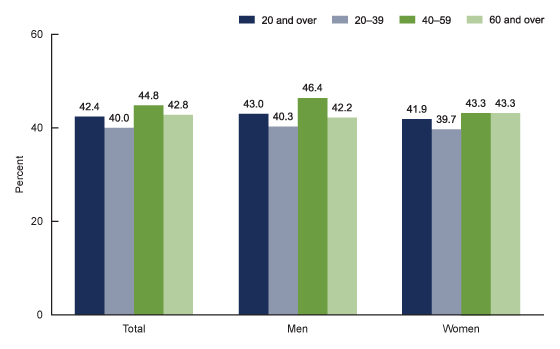
   According to John Hopkins Medicine in past 20 years, obesity among adults has had an exponential surge in the United States. The National Center for Health Statistics display that a third of U.S. adults 20 years of age and older (over 100 million people) are obese. This increase is not defined to adults, but has also affected young people. Among youth, 18 percent of children aged 6-11 years and 21 percent of teens aged 12–19 years are considered obese. These numbers of obesity will become very detrimental and will have ramifications for Americans’ health. Being obese increases the risk of many diseases and health conditions, including high blood pressure (hypertension), high cholesterol, type 2 diabetes, coronary heart disease (heart attack), stroke, gallbladder disease, arthritis, sleep apnea and some cancers (endometrial, breast, and colon). 

    According to CDC the estimated annual medical cost of obesity in the United States was $147 billion in 2008 US dollars; the medical cost for people who have obesity was $1,429 higher than those of normal weight. What causes obesity is an increased consumption of energy-dense foods that are high in fat and sugars and an increase in physical inactivity due to the increasingly sedentary lifestyle or work life, changing modes of transportation, and increasing urbanization. 

Here is a short video that describes on how to prevent childhood obesity and what causes it.

CDCStreamingHealth, director. Beyond the Data - Preventing Childhood Obesity: Eating Better, Moving More (2). YouTube, YouTube, 24 Aug. 2018, www.youtube.com/watch?v=GNSh55FyqmY. 

Facts:

  • Worldwide obesity has nearly tripled since 1975.
  • In 2016, more than 1.9 billion adults, 18 years and older, were overweight. Of these over 650 million were obese.
  • 39% of adults aged 18 years and over were overweight in 2016, and 13% were obese.
  • Most of the world's population live in countries where overweight and obesity kills more people than underweight.
  • 38 million children under the age of 5 were overweight or obese in 2019.
  • Over 340 million children and adolescents aged 5-19 were overweight or obese in 2016.
  • Obesity is preventable.

Prevalence of obesity among adults aged 20 and over, by sex and age: United States, 2017–2018


image icon
Figure 1 is a bar chart that shows the prevalence of obesity among adults aged 20 and over, by sex and age, in the United States from 2017 through 2018.


Personal

    Compared to other social issues such as global warming, homelessness or gun laws I believe obesity is an issue that stood out to me because it is a much greater detriment to our community because it takes a toll on people lives and making a simple change whether it is exercising, eating less or consuming healthier foods, it will save many people from slowly eating their life away. I too let myself become obese when I was in high school and I remember it was the worst years of my life until I had an awakening call from my doctor. My doctor told me that if I did not lose weight and eat healthier that I had a high chance of getting diabetes especially because my grandfather and mother both had it. I also changed my lifestyle because I was not able to keep up with my friends playing basketball at the park because of how overweight I had become. 
    Another contributing factor towards my obesity was the lack of exercise in my school. I had a physical education class every other day and they would make us do stretches and runs but they never really pushed myself or others in the class to do better and help increase our cardiovascular health. On top of that my school lunches were never top tier either. The school did not even serve salads only burgers, burritos and occasionally Chinese food. I bring up my time over at high school because I feel like schools should do better with serving their students healthier options at the cafeteria and have more dedicated classes for physical activity. Every school should have proper nutrition and have classes that make their students work hard for physical activity so that they don't end up overweight or obese for the rest of their lives. 

Sources:

“An Epidemic of Obesity: U.S. Obesity Trends.” The Nutrition Source, 12 Apr. 2016, www.hsph.harvard.edu/nutritionsource/an-epidemic-of-obesity/. 

“Obesity, Causes, SIgns and Symptoms, Diagnosis and Treatment.” YouTube, YouTube, 12 July 2019, www.youtube.com/watch?v=iQUJ1HV0PWc. 

“Products - Data Briefs - Number 360 - February 2020.” Centers for Disease Control and Prevention, Centers for Disease Control and Prevention, 27 Feb. 2020, www.cdc.gov/nchs/products/databriefs/db360.htm. 

“Obesity and Overweight.” World Health Organization, World Health Organization, www.who.int/news-room/fact-sheets/detail/obesity-and-overweight. 

Hines, Kathleen. “Obesity Research.” Johns Hopkins Medicine, Based in Baltimore, Maryland, 17 Mar. 2020, www.hopkinsmedicine.org/gim/research/content/obesity.html. 

CDCStreamingHealth, director. Beyond the Data - Preventing Childhood Obesity: Eating Better, Moving More (2). YouTube, YouTube, 24 Aug. 2018, www.youtube.com/watch?v=GNSh55FyqmY. 


Tuesday, April 6, 2021

Marine Pollution


MARINE POLLUTION


"Industrial pollution and the discarding of plastic waste must be tackled for the sake of all life in the ocean." 

- David Attenborough, broadcaster and natural historian


The definition that National Geographic (2019) provides states that "marine pollution is a combination of chemicals and trash, most of which comes from land sources and is washed or blown into the ocean. This pollution results in damage to the environment, to the health of all organisms, and to economic structures worldwide."

According to Ocean Conservancy, 8 million metric tons of plastic enter our oceans EACH YEAR (Farnham, Bobbe, & Baechler, 2021). This is on top of the estimated 150 million metric tons that are already in our oceans. The most common types of marine debris are cigarette butts, food wrappers, plastic bottles, bottle caps, straws, grocery bags, glass bottles, and soda cans.


ARE WE EATING PLASTIC??


"Plastic will be the main ingredient of all our grandchildren's recipes." 

- Anthony T. Hincks, author

Tiny bits of broken-down plastics are called microplastics, which are less than 5 millimeters in diameter (National Geographic, 2019). Small organisms consume these microplastics and absorb the chemicals from the plastics into their tissues. Those small organisms are then eaten by larger animals, which then transfers the chemicals and toxins into their tissues. Microplastics have been found in a range of marine species, from plankton to whales alike. As those chemicals and toxins make their way up the food chain, it eventually becomes part of the food that humans eat. 


NUTRIENT POLLUTION

"There is only one pollution because every chemical in the air or on land will end up in the ocean." 

- Jacques Yves Cousteau, Marine conservationist 


The National Oceanic and Atmospheric Administration (NOAA) (2020) reports that one of the biggest sources of pollution is nonpoint source pollution, which is a result of runoff. Some of this runoff comes from sources like septic tanks, vehicles, farms, livestock ranches, and timber harvest areas (NOAA, 2020). 


The increased concentration of chemicals, such as nitrogen and phosphorus, in the coastal ocean, provides a welcoming home for algal blooms, which can be toxic to wildlife and harmful to humans (National Geographic, 2019). The negative effects on health and the environment caused by these algal blooms hurt local fishing and tourism industries. 


OUR FUTURE

"The clock is ticking; we must confront this challenge before plastics overwhelm the ocean." 

- George Leonard, Chief Scientist at Ocean Conservancy 


Did you know that only 14% of all plastic packaging is collected for recycling after use? Not only does this result in the loss of $80 to $120 billion per year, but if this continues, the Ellen MacArthur Foundation (2017) predicts that there could be more plastic than fish in the ocean by 2050.


WHAT CAN I DO?

"The greatest threat to our planet is the belief that someone else will save it." 

- Robert Swan, explorer


If I'm being honest, this topic came to mind because sea turtles are my favorite animal and I think they're cute. I mean, look at those faces. I couldn't stand looking at pictures where sea turtles had plastic straws up their nose or soda can rings around their necks, so that's why I didn't include any in here.


On a more serious note, I find it a little terrifying that there would even be a chance that there could be more PLASTIC than FISH in the ocean. It doesn't matter that it's a possibility in 2050, frankly, 30 years isn't that far from now, but that possibility shouldn't even exist. I love the water. I love swimming and I love the ocean. I'm just one person, so there isn't much I can do, but I'm still making an effort. I refuse to use any plastic straws given at restaurants and I always bring reusable grocery bags to the store. Whenever I get takeout (support your local businesses!), I don't take their plastic utensils. Go home and use your own. Wash the dishes and save a turtle from choking. It may not be much, but more people means a bigger impact. 


REFERENCES

Ellen MacArthur Foundation. (2017, December 13). The new PLASTICS economy: Rethinking the future of PLASTICS & catalysing action. Retrieved from https://www.ellenmacarthurfoundation.org/publications/the-new-plastics-economy-rethinking-the-future-of-plastics-catalysing-action

Farnham, M., Bobbe, S., & Baechler, B. (2021, March 16). Plastics in the ocean. Retrieved from https://oceanconservancy.org/trash-free-seas/plastics-in-the-ocean/

National Geographic Society. (2019, June 27). Marine pollution. Retrieved from https://www.nationalgeographic.org/encyclopedia/marine-pollution/

National Oceanic and Atmospheric Administration. (2020, April). Ocean pollution. Retrieved from https://www.noaa.gov/education/resource-collections/ocean-coasts/ocean-pollution

Wednesday, March 17, 2021

Daniel Palaganas - Hate Crimes against Asian-Americans


Hate Crimes Against Asian-Americans in the Modern-Era

By: Daniel Palaganas, ART 3170-02, Professor Aziz 


What are Hate Crimes?

There are 2 ways to define hate crimes. One is a federal definition, and the other is a state definition. The federal definition states that a hate crime is committed if the crime is based upon the victim's race, religion, sexual orientation, gender, gender identity, disability, or national origin. On the other hand, the state definition varies from state to state, but most hate crimes are prosecuted under the the state level. Arkansas, Indiana, South Caroline, and Wyoming are the only states in the US that do not have hate crime laws. 

What would be Classified as a Hate Crime?

A hate crime must involve a crime, typically a violent crime, such as murder, vandalism, assault, or a threat to commit any of those crimes. It also includes planning or asking other people to commit the crimes, even if it never came into fruition. 


Brief History of Asian Immigration into the US & its Correlation with Asian Hate Crimes

Prior to 1965, Asian immigration to the US was not a popular thing. However, after the passage of the Immigration and Naturalization Act in 1965, Asian immigration into the United States increased exponentially. Over time, the increase of the Asian population in America led to the increase in hate crimes against Asians, but hate crimes against Asians have been around way before the surge in Asian immigration in 1965. Back in World War II, after the Pearl Harbor attack, President Franklin D. Roosevelt signed Executive Order 9066, which established the development of Japanese internment camps. Although its intentions may have been seen to protect the country, it disregarded the fact that the President of the United States was discriminating, and possibly, committing discriminatory acts towards Americans of Asian descent. Although this was not a hate crime necessarily, it served as a foundation for the discrimination and hatred towards Asian immigrants. 

Current Examples of Modern-Day Asian Hate Crimes

According to Stop AAPI Hate, a group that tracks reports of racism and discrimination against Asian Americans, from March 19, 2020, to the end of 2020 there were a reported total of 3,292 complaints of Asian American discrimination. However, a new report from February 28, 2021, to March 16, 2021 states that there were at least 3,795 Asian hate incidents here in America. Also, according to the Center for the Study of Hate and Extremism, at CSU San Bernardino, New York City and Los Angeles have seen the greatest spike in anti-Asian hate crimes, from 3 to 28 and 7 to 15, respectively. Both of these statistics are just a fraction of all of the hate incidents occurring here in the US. Here are some examples: 


January 28, 2021 - An 84-year-old immigrant from Thailand dies after being shoved to the ground while walking in a San Francisco neighborhood 


February 3, 2021 - A Filipino-American man was slashed in the face with a box cutter by another passenger while riding the New York City subway 


March 16, 2021 - Eight people, including six Asian women, were killed in Atlanta spas 

These are a few of the many hate crimes and hate incidents that occur every day in our nation today. 

How Does this Issue Affect Me? Why did I choose to make a blog concerning Asian-American hate? 

Hate crimes against Asian-Americans affect me personally because I am one myself. What hit me the most was when I recently heard about the elderly Filipino man who was innocently slashed across the face with a box cutter. As a Filipino myself, it greatly saddened me to hear that such an act would be done to someone of the same ethnicity as me. Also, as a human being, I would not wish this kind of treatment against anyone. Hearing and seeing about how there is these kind of people in the world who commit these hate crimes against innocent people absolutely disgusts me. It makes me sick. 

I chose this topic because this issue requires more awareness. This does not apply only to Asian hate but to all kinds of hate towards any nationality. No person of any skin color, gender, and race deserves any act of hate. Our world needs to be better when it comes to treating other people that are not like ourselves. We, as human beings, can do better. 

If you witness any hate crimes against any Asian-American, please contact your local police, local FBI field office, and state attorney general's office. Also, you can report these incidents to Asian-American community organizations such as Asian American Advancing Justice, A3PCON, Muslim Advocates, OCA-Asian Pacific American Advocates, Sikh Coalition, and SAALT. 


References: