Tuesday, March 21, 2017

Help Save our Earth: Pollution prevention


                                   Help Save our earth                                                


                                                                                              PLEASE VIEW IN PREVIEW MODE


I chose this Social issue because Plastic pollution is dangerous to our environment and a significant amount of Ocean Plastic Pollution is a high contributor to wildlife death. And recent studies have shown that the degradation along the coastline of our oceans has increased dramatically in the past three centuries alone. To me personally that is scary as time is running out to save the only planet we call home. Particularly bothersome as well as
worrisome is the effects of plastic pollution on our ocean.

The oceans are a living and magnificent entity of its own. It has its own diverse ecosystem and the oceans provide for our consumption and survival needs.Yet our oceans are being destroyed every day by plastic, toxic chemicals and waste sources which almost always originates from a land source. 

These sources include recreational uses such as beach visitors, the trash disregarded on streets and washed down storm drains, illegal dumping, areas with inadequate trash and or plastic recyclable facilities or trash receptacles. The majority of ocean pollution originates from a land base source as plastic and other harmful debris are easily blown and or carried into the ocean from industrial discharge, recreational uses, and runoff from farms. Rain and flooding carries chemicals such as fertilizers, petrochemicals and animal waste into the ocean.
It is said that every year we dump eight million tons of plastic into the ocean. Plastic is often mistaken as a edible food item by wildlife and also manages to find its way back to the beaches and coastlines where it will just remain there indefinitely. This causes destruction to every place it travels. (Information gathered from  http://maritime-executive.com/blog/oceans-of-plastic)
 
" Plastic takes, on average, 400 years to degrade, and even then it only breaks down into smaller pieces, which may not be visible to the human eye. " (Dilevics).


As a whole we must strive to conserve this beautiful home we call earth and work together as a collective whole to reduce the amount of trash and debris, particularly plastic pollution that has detrimental effects on our planet and its wildlife.


Image provided by  http://www.uvm.edu/safety/lab/pollution-prevention


                                   Why it Does matter                           


For many don’t care simply because we can’t see the harmful effects our actions have on our planet. This is because our waste, our trash is whisked far away from us, out of view and out of mind, forgotten as it is dumped and disposed of improperly. It is important for future generations to know and become educated about this matter.

It is imperative to understand that the harmful effects pollution has on our environment also get transmitted back to us in a natural cycle of consumption. Improper waste disposal has a large impact on everyone's health and well being, not only those that call the ocean home but us as well. It is important to know and realize that whatever we put into the ocean, whether intentionally or unintentionally, whether it be waste or chemicals or plastics, will eventually be absorbed by or wind up in the stomachs of marine life. Such as tiny plankton that will be devoured by larger fish that then caught and served to us, And the marine life that we consume which eat the polluted waste will also end up back in our stomachs that includes all the harmful chemicals contained in most plastics. This can cause hormonal problems, reproductive problems, respiratory and nervous system damage as well as kidney damage. The chemicals in the plastics that are absorbed by the wildlife and marine life can also cause a variation of diseases such as Parkinson, Alzheimer's and heart disease. This doesn't include the many illnesses that are caused by mere physical contact with the water. You don't even have to ingest the water but just by coming into contact you have a risk of stomach aches, diarrhea and rashes.(Dilevics). 


"We have so much to thank our oceans for. Not only do they provide routes from one continent to another, researchers and scientists have found that certain marine plants have the ability to help reduce pain and inflammation in humans as well as help in the fight against certain cancers" (Dilevics)

There is an abundance of benefits the oceans provide. Without the ocean we would simply not exist as over 70 percent of the oxygen that we breathe and over 97 percent of the world’s water supply comes directly from this vast source.
There is still time if we act now to make a difference, to make a change. We can learn about the ocean and learn to make a healthy impact on this earth. Understanding how vital this system is to our mere survival will help start the changes we need, changes we need to begin protecting our oceans and water supplies now.
The use of plastics can be significantly reduced, and it begins with changing our lifestyle now. this could include using reusable water bottles and reusable shopping bags. which in turn will save energy and money and will have long lasting beneficial effects of protecting and maintaining our oceans.

We can and should strive to work together as a collective whole to reduce the amount of trash and other toxic  materials that are dumped carelessly into our environment. We should strive toward a common goal where we can enjoy our planet as it was meant to be, safe and free of pollution. We should start now to prepare our planet for our children and future generations. The ocean sustains us and provides for us, we should respect the ocean by keeping it clean for our future generations to live fully and safely.


  Do you believe in this goal? I do and you should too. Take a look at some of these charts of more reasons why  we should be more aware and willing to prevent pollution on our earth, particularly the oceans. Click here to see how pollution directly affects you through our oceans.  Also And here to view the affects pollution has on humans.  

Image provided by http://www.uvm.edu/safety/lab/pollution-prevention


>1trillion plastic bags are used every year.
This equates to 100 million barrels of oil.   
                                                                  
> 17 single-use bags contain enough embedded                      
 petroleum energy to drive a car 1 mile.  
                                         

>Plastic bags are used for an average of 12 minutes. 
>It takes 1,000 years for them to decompose.                                                                                                                                                                                                                                         
>Over 100,000 marine animals 
and 1 million seabirds die every year from ingesting plastic.
(Facts provided by https://greenfuture.io/lifestyle/plastic-bags)

 
                    Here is an article that list 20 true facts of ocean pollution-20 facts you may have not known


Video Provided by Youtube 

"The ocean covers almost three quarters of our planet. Populations in coastal regions are growing and placing increasing pressure on coastal and marine ecosystems. Marine pollution of many kinds threatens the health of the ocean and its living resources. While the past decades have seen efforts at the local, national, and international levels to address the problems of marine pollution, more needs to be done"-U.S. Department of State


                                 What You can Do                            


There are many ways we can work together to conserve this beautiful and amazing planet we call home.You can get involved in a local conservation society and learn how we can work together to reduce the amount of trash and debris, that are improperly  disregarded and have harmful effects on our planet and its wildlife and us as humans.


The first step is to become educated on the matter, the next step is action. Through action and determination we can minimize the waste output and prevent pollution. We can try to make a conscious effort to memorize and practice the three R's, they are Re-Use, Re-Duce and Re-Cycle.Make sure garbage bins at home have lids to prevent unnecessary litter.Purchase bottles that are eco friendly. If you must throw away plastic place them in bins that will end up in the proper MRF. 


Next time you are at the grocery store you can use your own re-usable bags instead of the many plastic flimsy ones the grocer supplies you. This method saves money and in the end saves the environment which comes back to you. It may be a little inconvenient.But it’s nowhere near as inconvenient as the consequences of plastic pollution.


Other ways you can help conserve the environment as well as the oceans can be seen here Ways to reduce the harmful effects of chemicals 


A part of this project was getting others involved. I believe that the initiative for change happens when you alter your lifestyle and you are more willing to change when it affects those you care deeply for or are in constant contact with. Change begins with you and those closest to you. I did this by informing some members of my family that were unaware of the consequences pollution has on our environment. In fact they seemed indifferent to this heartfelt issue of mine. Because this issue was something that touched me deeply and that I firmly believed in I asked them if they would be willing to hear me out on the matter. What resulted was a deep and thoughtful if not lengthy conversation. At first they were very put off about the whole idea of being in some way a part of the responsibility, even joking about it. They couldn't understand why this issue affected me and was so heartfelt. I believe it was because they couldn't see the obvious effects or were just unaware. And I have to admit it was a bit frustrating and difficult to explain the matter at times but in the end it was worth it.   


In time the conversation became more genuine and my family members became more engaged and interested. The conversation had seemed to bring to light a new perspective and new understanding of the effects pollution has on our earth,and how in the end it not only effects our planet but us as well. At certain times they seemed genuinely surprised  as I revealed new information to them.Even asking questions of their own, "how did it get this bad?" or "can it be fixed?" , "what can be done about it? " or "why hasn't anyone been sent to clean it up?" (referring to the huge trash dump in the ocean) In the end they seemed more accepting of what I had to say. I asked if they would stand with me on this issue to bring awareness to more people as well as seek proactive actions in preventing future waste pollution. They agreed and as a family are trying to seek alternatives to prevent waste and plastic pollution. In this last few weeks alone we have done away with the plastic grocery bags and bought our own re-ususable grocer bags For my family who had a collection of plastic bags this is a big step in going green.


Image Provided by http://esh.fnal.gov/xms/Environment/Recycling-and-Waste


Work Cited

Dilevic, Andrew."Oceans of Plastic" maritime-executive.com. Acessed November 14th 2016.http://maritime-  

                      executive.com/blog/oceans-of-plastic

Roney, Luke." By 2050, our oceans will hold more plastic than fish"January 25, 2016http://www.usatoday.com

                       /story/news/2016/01/24/oceans-more-plastic-than-fish/79267192/

"Marine Pollution" national geographic.com.http://ocean.nationalgeographic.com/ocean/explore/pristine-

                     seas/critical-issues-marine-pollution/

"Help Us Keep the Festival of Whales Clean and Green"festivalofwhales.com. Accessed November 15th 2016.    

                        http://festivalofwhales.com/clean-and-green/

" OCEAN PLASTICS POLLUTION:A Global Tragedy for Our Oceans and Sea 

                      Life"www.biologicaldiversity.orghttp://www.biologicaldiversity.org/campaigns

                      /ocean_plastics/

"Pollution In Our Oceans"marinesavers.com.

                        http://marinesavers.com/2016/02/pollution-in-our-oceans/

"What is Ocean Pollution?"www.conserve-energy-future.com.

                     http://www.conserve-energy-future.com/causes-and-effects-of-ocean-

                      pollution.php


Gun Violence (Karina Flores)

Research
Hearing on the news that someone had died by a gunshot is not uncommon. Actually, homicides committed by using guns kill about the same amount of people that car crashes do (Quealy & Sanger-Katz, 2016).When comparing gun homicide rates to other western countries, the United States is at another level. The death rate of people in the United States who have died from gun homicides stands at about 31 million. If spread out, the United States would have an average of 27 deaths by gun per day which is way more than other countries in the western world. Almost a third of the mass shooting that occurred around the world happened in the United States. The US is home to 5% of the world’s population and had 31% its mass shootings (Willingham, 2016). These statistics are very alarming to me since it means that anyone can die from a gunshot at anytime and anywhere. The following chart illustrates just how severe the US’ gun problem is compared to other western countries:


The chart shows just how severe our problem is. Even if other countries had the same population that we do, the next largest number of deaths would occur in Canada. Canada would only have 5 deaths compared to the 27 we have.
            Mass shootings can happen anywhere at any time. The government defined definition of "mass shooting" is a shooting where more than four people were wounded or killed. According to the Gun Violence Archive, so far in 2016 there have been a total of 355 mass shootings in the United States. In addition, there have been about 1,622 accidental shootings in the United States where about 515 of these accidental shootings ended up with children getting shot (Barone, 2016). In Los Angeles there have been multiple shootings such as the UCLA shooting that ended up with 3 people dead and the Santa Monica College shooting where 6 died (Yan & Bloom 2016).

References
Quealy, K., & Sanger-Katz, M. (2016). The U.S. is a world apart in gun death rates. New York Times, 165(57263), A3-A3. Retrieved from http://mimas.calstatela.edu/login?url=http://search.ebscohost.com/login.aspx?direct=true&db=a9h&AN=116126595&site=ehost-live
Willingham, A. (2016). A visual guide: Mass shootings in america. Retrieved from http://www.cnn.com/2016/06/13/health/mass-shootings-in-america-in-charts-and-graphs-trnd/
Yan, H., & Bloom, D. (2016). UCLA shooting: Murder-suicide occurs on campus. Retrieved November 27, 2016, from http://www.cnn.com/2016/06/01/us/ucla-shooting-report/


Personal:

Being a college student today means I have to face the reality that there is a chance that there could be a mass shooting at my school. In public places in general. Every time I’m in very public places, such as the subway, there’s always that thought in the back of my mind as to what I would do if someone were to just come in and start shooting. I remember when the San Bernardino shooting was happening because I was in class. I still remember my professor telling the class that these events can become our reality. He then proceeded to tell the class that if that were to every happen and if a shooter were to barge in that we should all rush him in a group since that would be our best chance of taking them down. The San Bernardino and UCLA shooting really instilled that fear I had in me since both aren’t that far away. Everyone is vulnerable as most of these mass shootings occur in public places. 
I chose this issue because I know I'm not the only one who feels scared. With the news constantly talking about another shooting that took place I feel that this is an important issue to talk about. It affects my community both at school and at home. Being at school means we are at the highest risk of being caught up in a mass shooting. In my community while walking down the street we are also at risk. In today's world I feel like there is no place that is not vulnerable. It really scares me to think that this is the reality that we live in today.
Community Members:


Rights for kids with Autism-Ariana Magana

Rights for kids with Autism

Research:

We walk down the street everyday, weather it is to the grocery store or the park for a jog. Every where public that we go to we see kids. Children come in every shape and size, just like any other person. They all have their own personality some are calm others are more wild. When people walk in the store and see a child walking up and down or making noise they automatically judge and say "where are that child's parents", we are very quick to judge, when it comes to seeing a child misbehave, but we do not really know what really is going on. That child might have Autism Spectrum Disorder and they should not be judge so fast. According to the website autismspeaks.org "Autism spectrum disorder (ASD) and autism are both general terms for a group of complex disorders of brain development. These disorders are characterized, in varying degrees, by difficulties in social interaction, verbal and nonverbal communication and repetitive behaviors." Many people do not known exactly what autism is and even though it is a developmental delay, many kids learn to live with it and they become great people. Autism is more common than most people think, in the article Autism Prevalence it says "  This surveillance study identified 1 in 68 children (1 in 42 boys and 1 in 189 girls) as having autism spectrum disorder (ASD)." Which is why people should be more aware of the situation and learn that it is so common and that things should change for kids with Autism. Once a child get diagnosed with Autism, and they are ready to start school they automatically are put in special education because of the IDEA Law which is designed to help people with disabilities. But is it really helping the children or are they depriving them from a good education?. Kids with Autism tend to have more energy than most and just because they have a diagnoses they are placed in special education with kids that have a more severe mental or developmental issue. When in reality kids with autism can learn at the same pace as "normal" kids, its just that by them having a diagnoses they are treated differently. Below is a graph that shows the amount of kids with autism that are enrolled in special education, its only a small amount but this kids are not getting the right education so that they can be someone in life just like any other child.

Action: 
People should all unite and demand laws that laws that protect kids with Autism. But laws that actually help them reach their full potential. There should be classes for Autistic kids, where they are being taught but at their own pace, and not just because they have a diagnoses they should be considered less of a human.

Figure 1. Percentage distribution of children ages 3–21 served under the Individuals with Disabilities Education Act (IDEA), Part B, by disability type: School year 2013–14
 Personal:

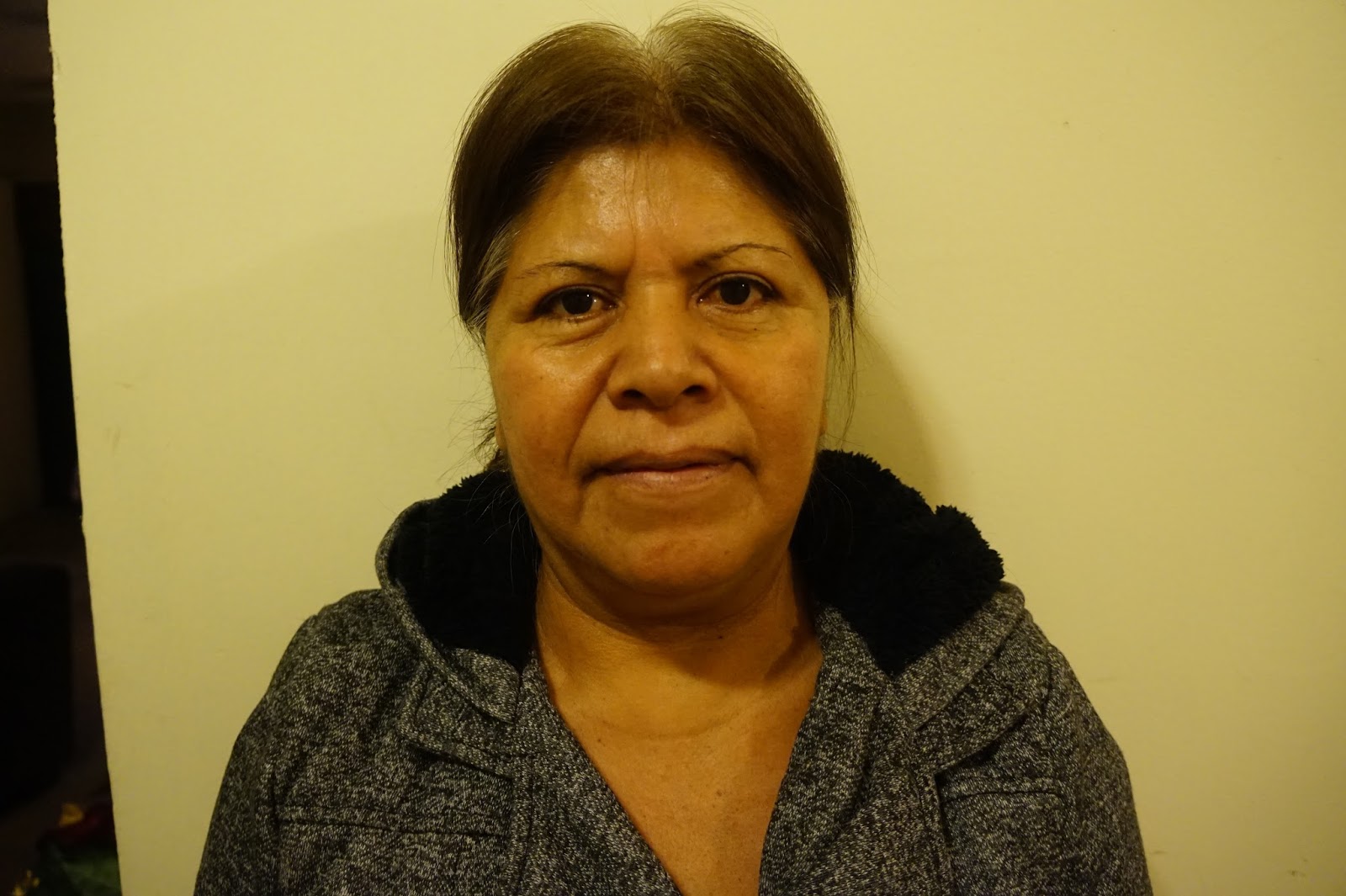
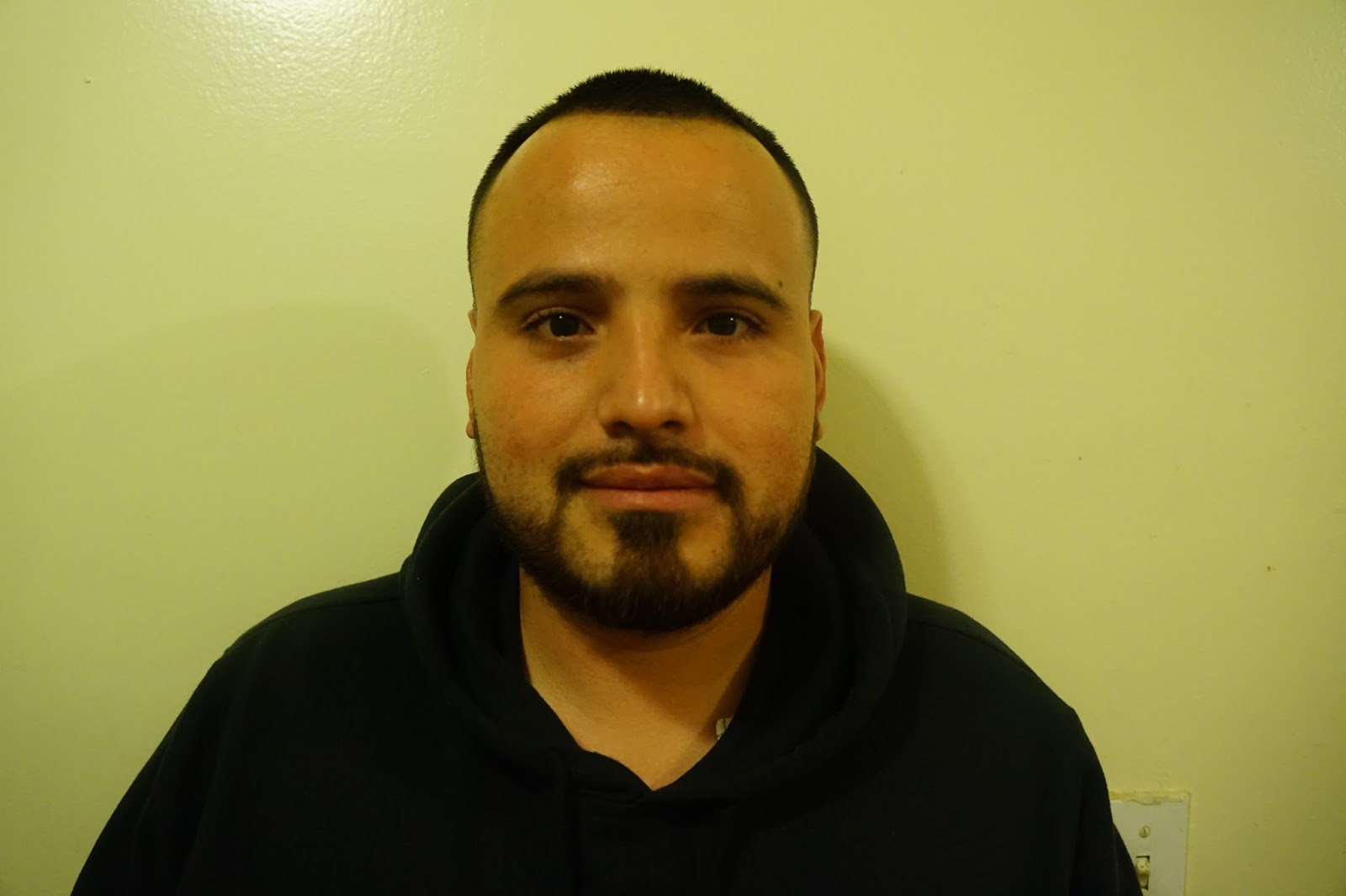
This issue affects me personally because I work with kids with Autism every day. I am witness of what they are capable of doing. But just because they have a diagnoses many school just decide to put them in special education where they are not pushed to strive for better. I work with 7 kids with autism and every day that I see them, the teachers do not give any homework, or even teach them necessary things, most of the children I work with learn are learning to read and write from there family because they are the once that actually know what their children are capable. It is a very scary fact to see that those kids are brilliant but are not really given the time to be taught. I believe that there should be extra help to assist these kids and even though they do require extra help they should still be granted the same opportunities to learn. As I went out in the community I came to realize that I was not the only one that had the same believes. Below you will find different people in my community that felt the same way. As I was going around I came across different people that I did not know had kids with Autism. Most of the people below have a child that has Autism and also some students that live in my community that feel the same way. We live in the same community but we are always so occupied that we do not pay attention to what is around us. I believe this is a very important issue and something in the future has to be done so that all those kids with Autism get the education they deserve.
Members in my community that agree:


Citations:
1. "Autism Speaks." Autism Prevalence | Autism Speaks. ©2016 Autism Speaks Inc., n.d. Web. 29 Nov. 2016. 

2. "The Condition of Education - Participation in Education - Elementary/Secondary - Children and Youth With Disabilities - Indicator May (2016)." The Condition of Education - Participation in Education - Elementary/Secondary - Children and Youth With Disabilities - Indicator May (2016). N.p., n.d. Web. 29 Nov. 2016.

Depression & women self-stigmatizing depression - Celeste Lopez

RESEARCH:
            Depression is a mental illness that is surrounded by stigma that discourages those with depression to seek help. Even though there are many treatments available for depression, people face challenges with the stigma associated with depression and don’t disclose their symptoms to health practitioners. This leads to treatment discontinuation rates to rise. People with depression fear that if they disclose their mental illness that not only their relationships can be affected but also they’re employment status, and their status for health insurance. Some of the most common reasons that patients do not report depressive symptoms or seek treatment are that they feel embarrassed and fear to be perceived as unbalanced, neurotic, irritating, and/or dangerous/violent, because of being diagnosed as having depression. Negative stereotypes towards depression is common, for example one stereotype of depression is that people with depression are the ones to blame for their illness, and that only they could solve their issues and better themselves.
            The stigma that society has towards depression has lead to self-stigma for women. A study assessed the self-stigma from a sample of Latina, African American and Caucasian women with depression and who have access/qualify to health care services. For this study 37.5% of the women in the sample said they would try anything to keep their depression a secret, 55% said that if they disclose their depressive symptoms it would be to their best friend and 80% of the women make the decision to not disclose their depressive symptoms to a health care professional. Women who do not disclose their depressive symptoms believe that disclosing may cause them to be socially stigmatized and/or socially distanced. In a longitudinal study that observed the different treatments and gender differences in spouse abandonment showed that “healthy wives were more willing to be caretakers for ill husbands but they were unable to explain why ill wives were more likely to be divorced by healthy husbands” (Oakley, p.513). Especially in today’s society, depression in the media are seen associated with bizarre behavior, and women that have children fear that they may be seen as dangerous by authorities, or dangerous in general for being diagnosed and treated for depression.

REFERENCES:
Oakley, L. D., Kanter, J. W., Taylor, J. Y., & Duguid, M. (2012). The self-stigma of depression for women. International Journal Of Social Psychiatry, 58(5), 512-520. doi:10.1177/0020764011409820
Monteith, L. L., & Pettit, J. W. (2011). Implicit and Explicit Stigmatizing Attitudes and Stereotypes About Depression. Journal Of Social & Clinical Psychology, 30(5), 484-505. doi:10.1521/jscp.2011.30.5.484

PERSONAL:
            The stigma towards depression affects more people than we realize, something that people should take notice. This issue as effected me on a personal level, not because I have known people affected by their depression but because I’ve have depression. And growing up with depression I have realized that as an adult one can be more criticized compared to being in middle school.
            I chose this issue because people can individually start to erase the stigma around depression. By just being supportive towards the idea of depression, sometimes we just have to ask if they’re really doing okay. As a society we have to change the image of depression, and show that depression does not make people weak and that people are not responsible for having depression. Something I learned is that depression doesn’t go away, its an illness that we have to fight everyday, because we can’t let depression control our lives, it should be us in control of our own lives. When I transitioned from high school to college my depression has slowly taken control on my life, and I tried counseling but I felt more like the councilor was interrogating me instead of asking what was really going through my head and I stopped going because I felt like it wasn’t helping at all. Currently, because of my depression, I have a hard time concentrating, sleeping and even eating. No one should feel like they cannot be helped and let their condition worsen.
            My action is to take a stand against the self-stigma of women when it comes to depression, and starting with the stigma towards depression in general.

MEMBERS FROM MY COMMUNITY AFFECTED BY THIS ISSUE: